
News & Events
7 Most Common Types of Plastic Molding Methods To Know
Manufacturers rely on plastic molding to produce consistent, high-quality parts across industries. From automotive components to protective caps and plugs, each method serves a specific purpose and benefits specific materials, volumes, and design complexities. Understanding the most common types of plastic molding methods helps buyers and engineers make informed decisions when sourcing parts or planning production.
This guide breaks down the most widely used molding processes, how they work, and where they fit best. Whether you are new to manufacturing or refining your sourcing strategy, this overview will give you a clear starting point.
What Is Plastic Molding?
Plastic molding refers to shaping raw plastic material into a finished product using heat, pressure, or both. Manufacturers choose different methods depending on the material type, part geometry, and production scale.
For businesses, selecting the right process impacts:
- Cost efficiency across production runs
- Part durability and performance
- Lead times and scalability
- Design flexibility and precision
1. Injection Molding: Precision at Scale
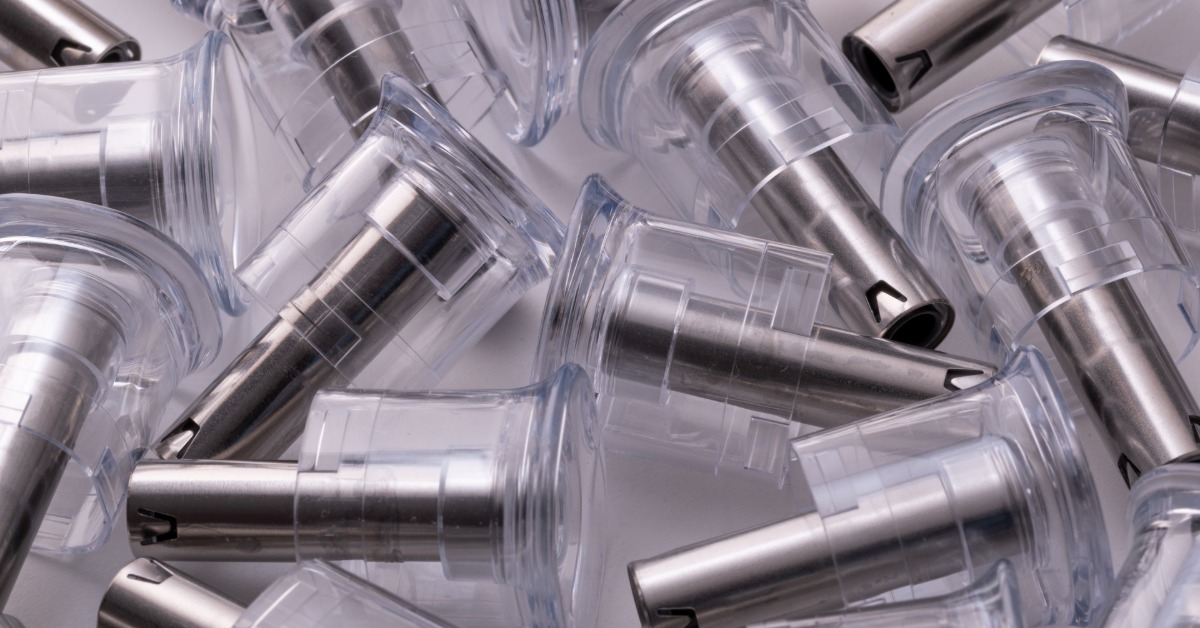
Polymer injection molding is one of the most common and versatile processes in modern manufacturing. It involves melting plastic pellets and injecting them into a mold cavity under high pressure.
This method works best for high-volume production and complex geometries. It allows tight tolerances and consistent part quality across thousands or millions of units.
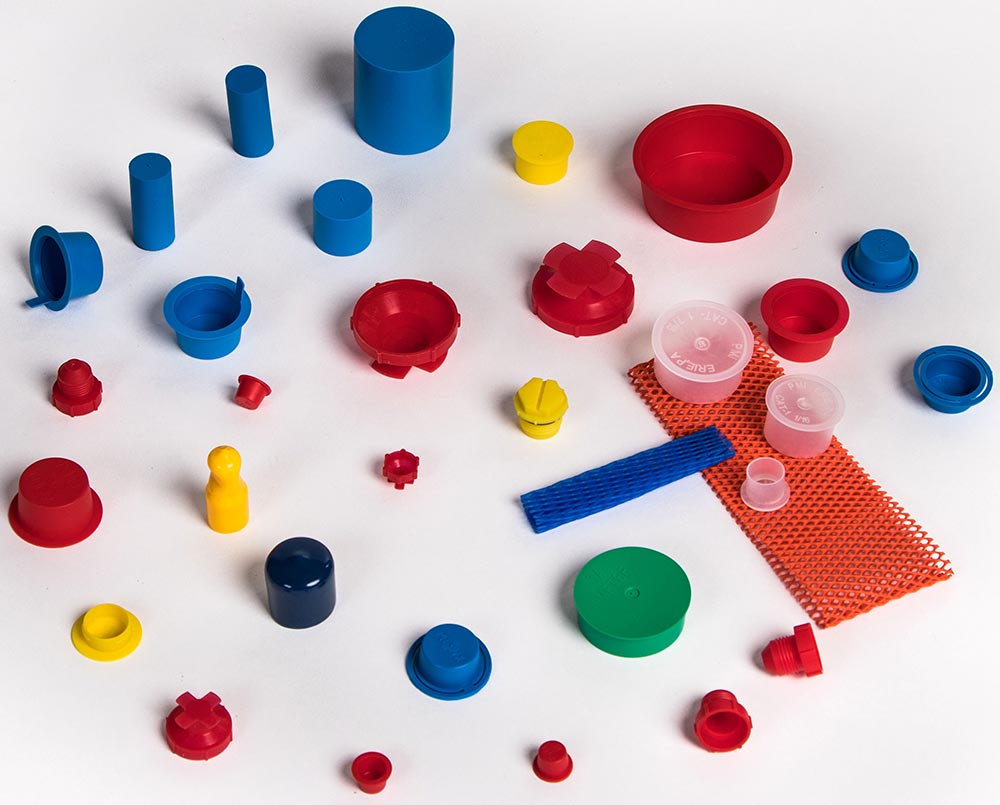
Common applications include protective caps, plugs, medical components, and consumer goods. Many manufacturers rely on polymer injection molding for its ability to deliver repeatable results with minimal material waste.
2. Blow Molding: Creating Hollow Parts
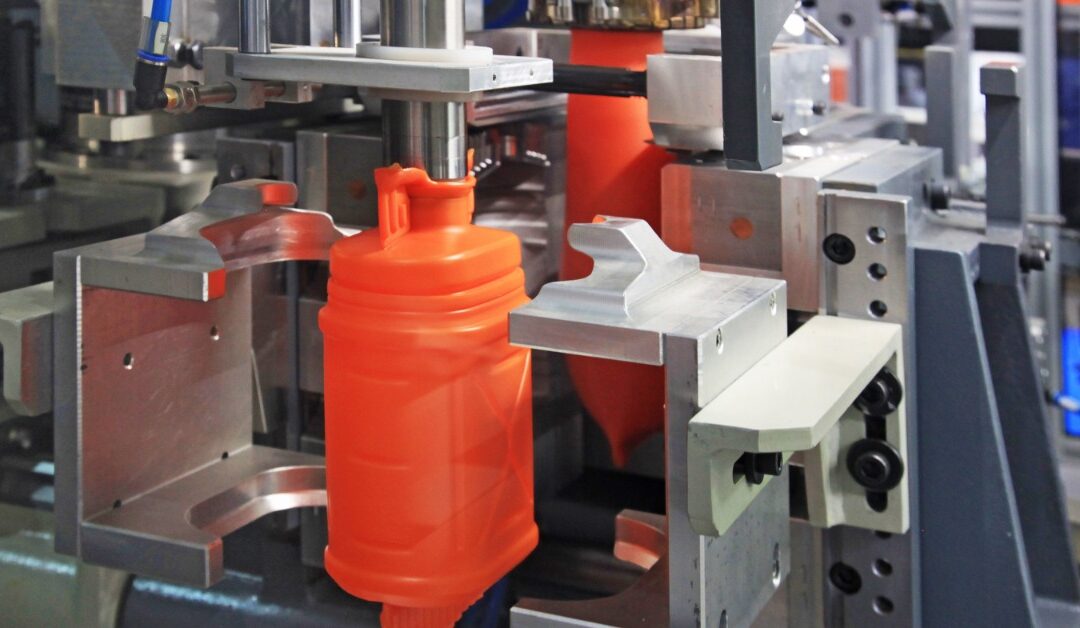
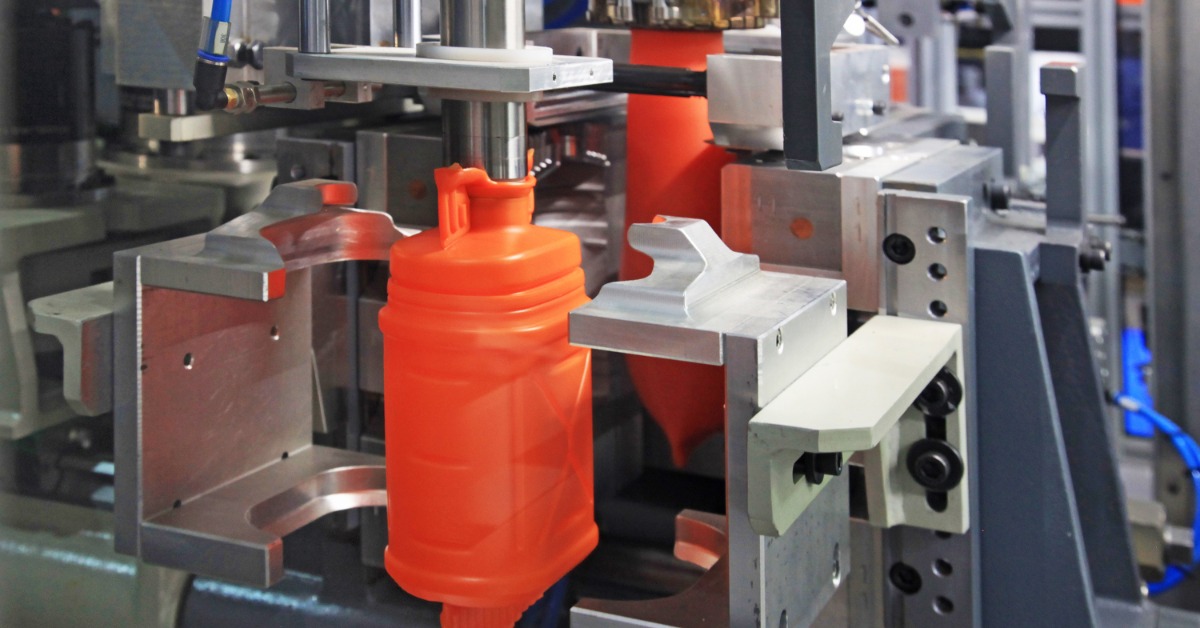
Blow molding specializes in producing hollow plastic parts. The process starts by forming a molten tube of plastic, which is then expanded inside a mold using air pressure.
This method is ideal for items like bottles, containers, and tanks. It allows manufacturers to efficiently create hollow structures that are lightweight yet durable.
There are variations such as extrusion blow molding and injection blow molding, each suited for different production needs and material requirements.
3. Rotational Molding: Uniform Thickness for Large Parts
Rotational molding, or rotomolding, creates hollow parts by rotating a mold filled with powdered plastic while heating it. The material coats the interior evenly as the mold spins.
This process produces parts with consistent wall thickness and strong structural integrity. It is commonly used for larger items such as storage tanks, bins, and outdoor equipment.
Unlike injection molding, rotomolding does not require high pressure, which reduces tooling stress and can extend mold life.
4. Compression Molding: Strength Through Pressure
Compression molding uses heat and pressure to shape plastic material placed directly into a heated mold. The mold closes, compressing the material into the desired form.
This method works well for thermosetting plastics and parts that require high strength and durability. It is often used in automotive and industrial applications where performance matters.
Manufacturers choose compression molding when they need:
- High-strength parts with minimal waste
- Cost-effective tooling for certain materials
- Consistent thickness in simpler designs
While it offers fewer design complexities than injection molding, it delivers reliable results for specific use cases.
5. Extrusion Molding: Continuous Production
Extrusion molding produces long, continuous shapes by forcing melted plastic through a die. The material takes the shape of the die opening and solidifies as it cools.
This process is ideal for products like tubing, pipes, and profiles. It supports high-volume production and consistent cross-sectional shapes.
Unlike other methods, extrusion does not create individual parts. Instead, manufacturers typically cut the continuous output to the desired length after cooling.
6. Thermoforming: Flexible and Cost-Effective
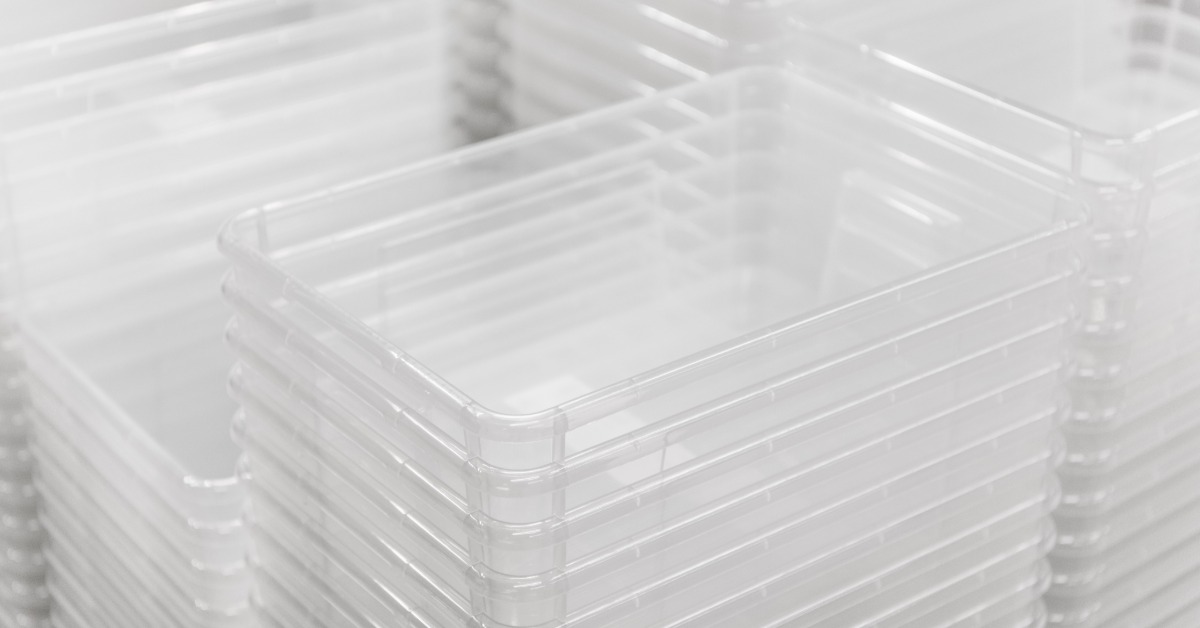
Thermoforming involves heating a plastic sheet until it becomes pliable, then forming it over a mold. Once cooled, the sheet retains the mold shape.
This method works well for packaging, trays, and lightweight components. It offers lower tooling costs compared to injection molding, making it suitable for smaller production runs.
Thermoforming provides flexibility in design and faster turnaround times, especially for less complex parts.
7. Transfer Molding: Precision for Specialized Applications
Transfer molding is similar to compression molding but involves transferring heated material into a mold cavity. This allows for better control over material flow and part consistency.
It is commonly used in electrical and electronic components where precision and encapsulation are critical.
Although not as widely used as injection molding, transfer molding plays an important role in niche applications requiring detailed control.
How To Choose the Right Molding Method
Selecting the right molding process depends on several factors tied to your product and production goals. Each method offers distinct advantages, so aligning your needs with the right process is essential.
When evaluating options, consider the following:
- Production volume and scalability requirements
- Material type and performance characteristics
- Part complexity and tolerance needs
- Budget constraints and tooling costs
Why Injection Molding Remains the Industry Standard
While each method has its place, plastic injection molding continues to dominate many industries. Its ability to produce complex parts with tight tolerances makes it a go-to solution for manufacturers.
Key advantages include:
- High repeatability across large production runs
- Minimal material waste compared to other processes
- Compatibility with a wide range of polymers
- Strong surface finish and structural integrity
These benefits make polymer injection molding especially valuable for businesses that require consistent quality and scalable production.
Work With a Partner That Understands Your Needs
Choosing a molding method is only part of the equation. Working with an experienced manufacturer ensures your design translates into a reliable, cost-effective product.
At Polymer Molding, Inc., teams work closely with customers to evaluate design requirements, material selection, and production goals. This collaborative approach reduces delays and ensures parts meet real-world performance demands.
Having a dependable partner simplifies the process from concept to completion.
Take the Next Step Toward Smarter Manufacturing Decisions
Understanding the most common types of plastic molding methods gives you a clearer path to selecting the right process for your application. Each method offers unique strengths, but the right choice depends on your specific needs and production goals.
If you are ready to move forward, consider working with a trusted manufacturer that specializes in high-quality solutions. Contact Polymer Molding, Inc. today to explore custom molding services and precision injection molding parts designed to meet your exact specifications.