

News & Events

The Ultimate Guide to Micro Injection Molding
As product designs continue to shrink and tolerances grow tighter, the need for small plastic components that perform reliably at scale increases. Micro injection molding has become a go-to solution for industries that depend on consistency, accuracy, and efficiency in small parts. This micro injection molding guide explains how the process works, why it matters, and how it supports the production of high-volume components like plastic tube plugs, finishing inserts, and protective parts.
For purchasing professionals, distributors, and engineers, understanding micro injection molding can help reduce risk, improve part quality, and ensure long-term supply reliability.
What Is Micro Injection Molding?
Micro injection molding is a highly specialized form of plastic injection molding designed for producing extremely small and precise components. These parts typically weigh less than one gram and often include thin walls, tight tolerances, and intricate geometries.
While the fundamentals are similar to conventional injection molding, micro molding requires:
- Specialized molding equipment
- Precision-engineered tooling
- Advanced quality control systems
This level of control allows manufacturers to consistently produce small components that must fit securely, perform predictably, and withstand demanding environments.
How Micro Injection Molding Differs From Traditional Molding
Traditional injection molding excels at producing larger plastic parts, but it becomes less effective as part size decreases. Micro injection molding bridges that gap by focusing on precision rather than volume alone.
Shot Size Control
Micro molding machines deliver extremely small, accurate shot sizes. This precision is critical for parts where even minor variations can affect fit or performance.
Tighter Tolerances
Because micro components often serve protective or finishing functions, dimensional accuracy is essential. Micro molding maintains tight tolerances across long production runs.

The Micro Injection Molding Process Explained
Understanding the process helps clarify why manufacturers and purchasing teams who require consistent, high-precision plastic components rely on micro injection molding.
Material Selection and Preparation
The process begins with carefully selected resins chosen for strength, flexibility, or environmental resistance. Materials are dried and conditioned to prevent defects that can occur at this scale.
Injection and Cavity Fill
Molten plastic is injected into the mold using precise pressure and speed controls. This ensures complete cavity fill without flashing, short shots, or deformation.
Cooling and Solidification
Rapid and controlled cooling stabilizes part dimensions. Consistent cooling is especially important for maintaining repeatability.
Ejection and Inspection
From there, gentle part ejection prevents damage. Inspection systems verify dimensions, surface finish, and overall consistency before parts move to packaging or secondary operations.
Industries That Depend on Micro Injection Molding
Micro injection molding supports industries where precision and repeatability are essential.
Automotive Manufacturing
Automotive suppliers rely on molded components to protect threaded holes, tubing, and fittings during assembly and transport. Small protective parts help prevent contamination and damage that could compromise performance.
Aerospace and Defense
In aerospace and defense applications, small plastic components must meet strict dimensional and performance standards. Micro molding delivers the consistency required for mission-critical environments.
Agriculture and Industrial Equipment
Equipment used in agricultural and industrial settings is often exposed to dirt, moisture, and debris. Molded finishing inserts and plugs protect openings and components during manufacturing and use.
Medical and Technical Manufacturing
Micro injection molding is a popular choice for producing small technical components that require accuracy, cleanliness, and dependable performance.
Advantages of Micro Injection Molding
Micro injection molding offers several benefits that make it ideal for producing small plastic parts at scale.
High Precision and Accuracy
The process delivers parts that fit exactly as intended, reducing assembly issues and improving overall product quality.
Repeatable Results
Once tooling is validated, micro injection molding produces consistent parts across high-volume runs, helping ensure supply reliability.
Material Efficiency
Small shot sizes reduce material waste, which can control costs over long production cycles.
Design Flexibility
Micro injection molding can allow for the creation of complex geometries, thin walls, and fine details without sacrificing part strength or functionality.

Common Applications for Molded Components
Micro injection molding supports a wide range of functional and protective applications.
- Finishing inserts used during manufacturing
- Protective components for threaded and non-threaded openings
- Small caps and plugs that prevent contamination
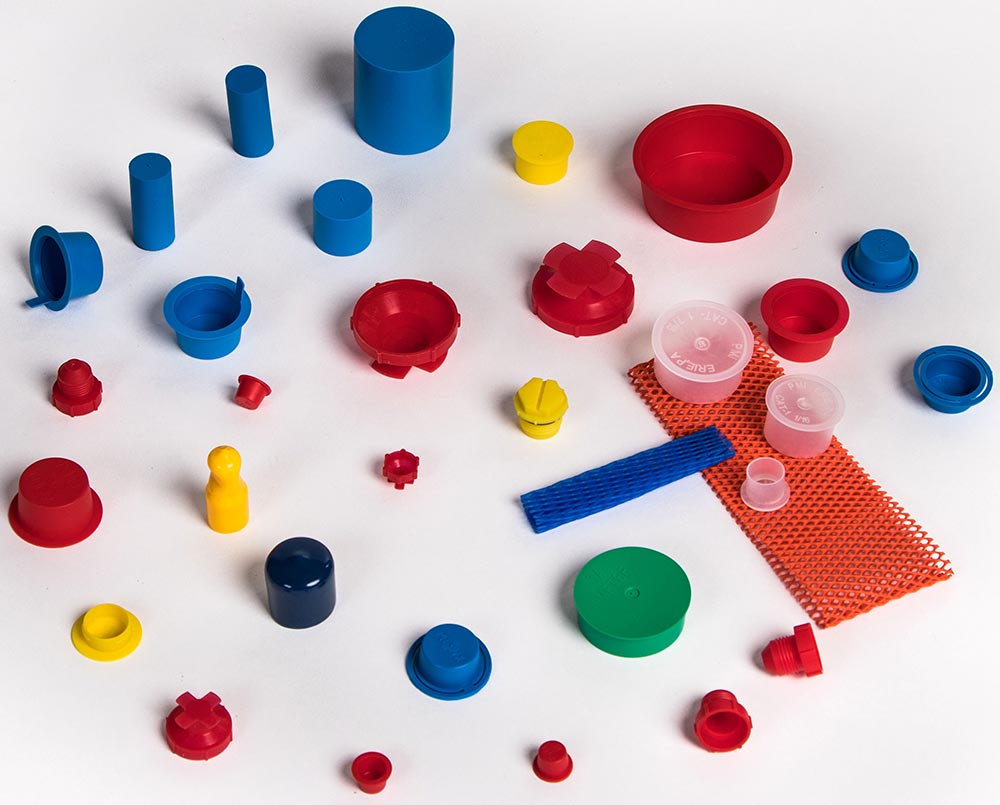
- Plastic tube plugs designed to fit securely inside tubing
These parts may seem simple, but their role in protecting equipment, maintaining cleanliness, and preventing damage is critical.
Design Considerations for Micro Injection Molding
Design plays a major role in the success of molded parts.
Tolerance Requirements
Tighter tolerances require more precise tooling and process control. Early collaboration with a molding partner can help align design expectations.
Material Performance
Different applications call for different material properties, including flexibility, temperature resistance, or chemical compatibility.
End-Use Environment
Understanding the molded part’s intended end-use environment helps designers and manufacturers ensure it will perform reliably under real-world conditions.
Selecting the Right Micro Injection Molding Partner
Choosing the right supplier is just as important as selecting the right process. When evaluating a micro injection molding partner, look for:
- Experience with high-volume production
- Proven quality control systems
- Ability to maintain tight tolerances
- Responsive customer support
A dependable manufacturer helps reduce downtime, improve consistency, and streamline ordering.
The Role of Micro Injection Molding in Protective Components
Businesses often need protective plastic components in large quantities, and each component must perform consistently. Micro injection molding is a strong option for these needs because it delivers a secure fit, uniform dimensions, and reliable performance.
Micro injection molding has become an essential manufacturing process for producing small, high-precision plastic components across multiple industries. Its ability to deliver consistent quality, tight tolerances, and efficient production makes it a dependable choice for protective and finishing applications.
Plastic tube plugs, for example, are commonly used to protect tubing from debris and damage during shipping, storage, and processing. Micro molding ensures these plugs meet exact specifications across large runs, helping buyers avoid fit issues and quality concerns.
This micro injection molding guide shows how the process supports components such as plastic tube plugs and custom inserts that play a critical role in protecting equipment and maintaining product integrity. For organizations that value reliability and consistency, micro injection molding remains a proven solution.
To source dependable plastic plug inserts designed for high-volume applications, explore Polymer Molding’s range of precision-molded solutions built for performance and consistency.