

News & Events
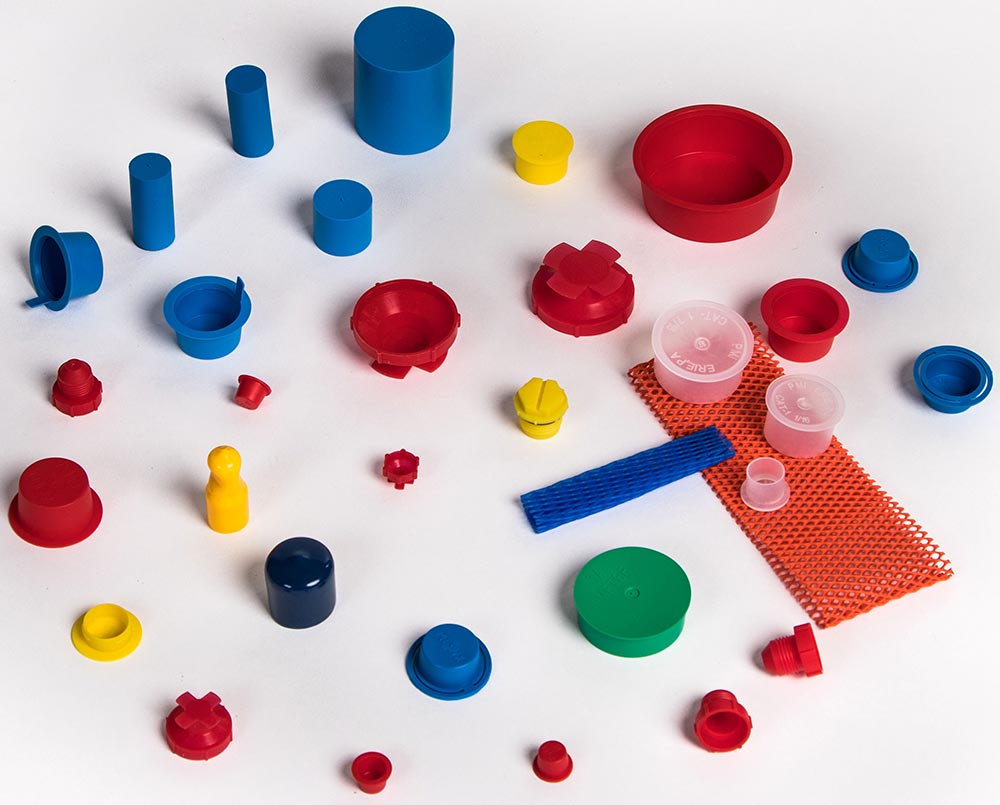

The Difference Between Vinyl and Silicone End Caps
End caps safeguard threads, seal openings, and protect edges during shipping, storage, finishing, and assembly. Common uses span masking during coating, sealing against dust or moisture, and cushioning contact points that face abrasion. Many teams also rely on pipe protection caps to prevent dings and contamination in transit or on jobsites. Vinyl and silicone represent the two most common materials for these components, and each brings distinct strengths to real-world processes.
This guide breaks down material properties, performance differences, and typical use cases. Engineers, buyers, and operators will gain practical insight into temperature, durability, chemical resistance, fit, and cost. You will also see how one material can outperform the other in different environments and production timelines. By the end, you will know exactly how the differences between vinyl and silicone end caps translate into day‑to‑day results.
What Are Vinyl End Caps?
Material Overview
Vinyl, often formulated as flexible PVC and related compounds, delivers a balance of softness, toughness, and affordability. Plasticizers and additives tune flexibility, color, and weathering performance. The result is a material that molds easily into snug, protective caps across a broad range of sizes and geometries.
Common Traits
Vinyl end caps excel at creating a tight, conforming fit. The material stretches slightly, then recovers to grip threads, barbs, or smooth tubing without cracking. Users appreciate the soft feel that cushions delicate finishes and dampens impact during handling. Most vinyl compounds support bright, opaque colors, which improves visual identification on fast-moving lines. Cost efficiency stands out as a core advantage, especially for high-volume programs where unit price drives total cost of ownership.
Ideal Applications
Assembly operations benefit from vinyl caps that push on quickly and remove without tools. Masking during powder coating or e-coat works well when temperatures stay within vinyl’s safe range. Shipping departments rely on vinyl to reduce scuffs on machined parts and coated surfaces. Maintenance teams lean on vinyl caps for temporary sealing that keeps dust and debris out of fittings. Pipe yards and fabricators use vinyl pipe protection caps when impact resistance and quick application are priorities.
What Are Silicone End Caps?
Material Overview
Silicone is an elastomer engineered from silicone polymers with outstanding thermal stability and chemical resilience. Crosslinking during molding produces rubber-like flexibility that remains consistent across wide temperature swings. The material resists compression set, maintaining shape and sealing force over repeated cycles.
Common Traits
Silicone end caps tolerate sustained high temperatures that would deform many plastics. The material also stays flexible in cold environments, supporting a reliable fit during winter operations or cryogenic processing. Chemical inertness ranks among silicone’s greatest strengths, particularly in contact with aggressive solvents, oils, and process chemicals. Cleanliness and low outgassing appeal to medical, aerospace, and electronics applications where purity carries significant weight.
Ideal Applications
High-temperature masking uses silicone when ovens, cure cycles, or heat treat exceed the limits of vinyl. Fluid processing lines that handle aggressive media favor silicone for its chemical resistance. Clean manufacturing zones prefer silicone when consistent performance and low residuals are necessary. Additionally, outdoor or variable-climate installations benefit from silicone’s stability through heat, cold, UV exposure, and weathering.

Primary Differences Between Vinyl and Silicone End Caps
Durometer and Flexibility
Vinyl typically offers a softer feel at a given durometer range and can be tuned for grip and cushioning. Silicone covers a broad durometer spectrum yet maintains elastic performance with less compression set over time. When repeated on-off cycles or long-term compression are expected, silicone’s elastic stability protects the sealing force.
Temperature Performance
Vinyl performs reliably at moderate temperatures common to shipping, storage, and many finishing lines. Most vinyl compounds begin to soften or deform under elevated heat from extended bake cycles. Silicone maintains function across a much wider range, often from subzero conditions to several hundred degrees Fahrenheit, depending on formulation. Heat-intensive masking and processing favor silicone without question.
Strength and Durability
Vinyl resists abrasion and impact well, which helps during transport and handling. Silicone provides superior tear resistance and resistance to permanent deformation under compression. Long-life applications involving frequent reuse or demanding environments generally benefit from silicone’s robust mechanical performance.
Chemical Resistance and Inertness
Vinyl handles many oils and mild chemicals but can swell or degrade in harsher solvents or certain fuels. Silicone remains more chemically inert and tolerates a broader set of chemicals with less property change. When chemical exposure cannot be avoided or contamination risk must be minimized, silicone holds a clear edge.
Which Material Is Right for You?
Cost and Value
Budget often guides the initial conversation. Vinyl typically carries a lower unit cost, which supports large programs or disposable use. Silicone’s higher price reflects advanced performance, especially in heat, chemical, or longevity requirements. Total cost evaluation should weigh replacement frequency, scrap risk, and process uptime.
Chemical Exposure
Process media, cleaning agents, and nearby fluids influence material choice. Silicone delivers stronger performance when aggressive solvents or fuels are present. Vinyl handles everyday oils and mild cleaners, but it may not sustain its properties in environments with harsh aromatics or ketones.
Temperature Requirements
Oven cycles, heat treat steps, and outdoor extremes call for silicone. Moderate temperatures across assembly, shipping, and light finishing align with vinyl. Consider site conditions and process windows; thermal limits will determine if materials pass or fail in many applications.
Durometer Options and Fit
Fit creates the seal, protects threads, and prevents vibration. Vinyl’s soft, conforming grip cushions surfaces and helps with quick push-on installation. Silicone maintains flexibility and sealing force over longer dwell times and repeated uses. Either material can be specified in different durometers; choosing a tighter or softer grip depends on geometry, tolerances, and removal needs.
Practical Examples
Powder coat masking at 400°F leans toward silicone for predictable performance. Short, low-heat touch-up jobs may run successfully with vinyl. Pipe handling that needs quick application and impact cushioning frequently favors vinyl pipe protection caps. Chemical processing or solvent flush systems benefit from silicone’s inertness and shape retention.

Partner With Polymer Molding Inc.
Polymer Molding Inc. supplies a full range of end caps built for demanding environments, from general protection to high-heat masking and chemically aggressive processes. Expert support helps match material, durometer, and geometry to your specific tolerances and production flow. Custom colors, sizes, and packaging can be configured to align with identification plans and inventory systems.
Teams seeking reliable pipe protection caps will find options that balance price, performance, and lead time. Engineers receive responsive guidance on samples, testing, and approvals. Procurement gains supply stability backed by proven manufacturing. Reach out to Polymer Molding Inc. to discuss your application, review drawings, and secure the right cap solution at scale.
Choose With Confidence
Picking the right material never needs guesswork when performance targets and environment are clear. Vinyl delivers value and speed for general protection, cushioning, and lower-temperature masking. Silicone shines under heat, chemical exposure, and repeated reuse, where resilience and purity drive outcomes. Your process variables will point to one path or the other, and thoughtful selection will reduce risk and improve throughput.
The differences between vinyl and silicone end caps translate directly into fit, finish quality, and lifecycle cost. Contact Polymer Molding Inc. for guidance, samples, and a quote that aligns with your timeline and technical requirements.