

News & Events

Protective Netting vs. Bubble Wrap: Which Is Better?
For small to midsize businesses, protecting your products during transit is crucial. Damaged goods can harm customer relationships, increase costs, and hurt your reputation. Two of the most commonly used protective materials are protective netting and bubble wrap.
Each has distinct advantages and drawbacks, and choosing the right one can help your operation maintain its high levels of service. The following guide provides a comparison of protective netting and bubble wrap and helps you determine which is better. We’ll explore how each material performs in different situations, their environmental impact, cost-effectiveness, and more, so you can make an informed decision that works for your business.
Understanding Protective Netting and Its Applications
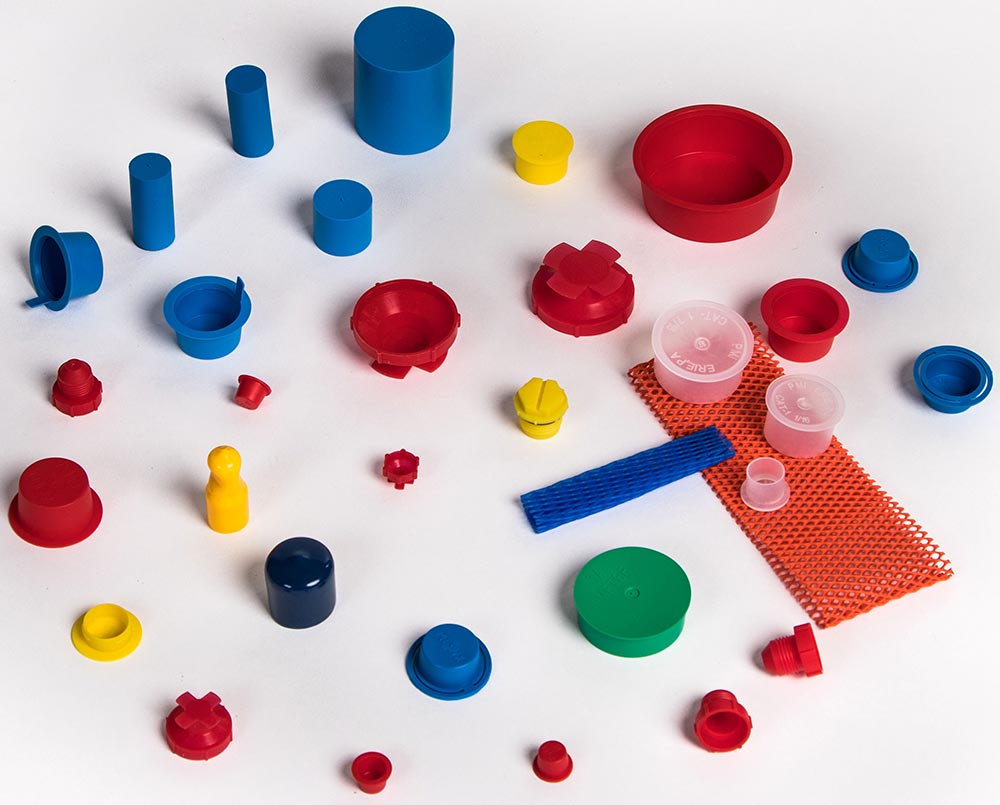
Protective netting is a flexible, tubular mesh material designed to cover and shield products with irregular shapes or delicate surfaces. It generally consists of polyethylene or similar polymers and comes in rolls or cut-to-length sections.
Businesses that ship items, such as metal rods, glass bottles, or plastic injection molding parts, often use protective netting because it conforms tightly to the shape of the product while allowing breathability and visibility.
One of the key benefits of protective netting is its ability to prevent surface damage. It minimizes abrasions and impact while protecting finishes from scratches.
Unlike other packaging materials, it doesn’t trap moisture, which is especially valuable for products sensitive to corrosion or mold. Protective netting is also lightweight and reusable, which can lower shipping weights and reduce waste over time.
For businesses that must ship large quantities of oddly shaped or fragile products, protective netting is an excellent choice. It streamlines the packing process since it’s easy to apply and remove, saving time on the production floor.
Many small to midsize businesses appreciate the fact that it’s available in multiple sizes, colors, and materials, making it adaptable to different needs and branding preferences. While protective netting isn’t useful for every product type, it excels in specific industries and is dependable and cost-effective when used properly.
Bubble Wrap and Its Widespread Use

Bubble wrap is a staple in the packaging world, beloved for its familiar cushion of air-filled bubbles that protects items during transit. Available in rolls, sheets, or pouches, bubble wrap provides excellent impact resistance by absorbing shocks and preventing fragile products from breaking. You’ll typically find it used for electronics, glassware, ceramics, and other breakables that need extra padding.
One of the biggest advantages of bubble wrap is its versatility. You can wrap it around products of virtually any shape, layer it for more protection, and use it as void filler to keep items from shifting inside a box.
However, bubble wrap also has some drawbacks. It can take up more storage space compared to protective netting because of its bulky structure.
It also creates more waste and is typically single-use, which can add to a business’s operational costs and environmental footprint. Over time, these costs can add up, especially for companies shipping high volumes of products.
In situations that require maximum cushioning, such as shipping highly fragile items or sensitive electronics, bubble wrap remains a dependable choice. Its ease of use and accessibility make it a go-to for many small to midsize businesses that need a straightforward, protective material.
Comparing Environmental Impact and Sustainability
Today, sustainability is an important consideration for many businesses and their customers. Manufacturers make protective netting and bubble wrap from plastics, but their environmental impacts vary.
Because of its durability and reusability, people often see protective netting as a more sustainable option. Users can utilize it multiple times before needing a replacement, which reduces waste and saves costs over time.
Some manufacturers also produce protective netting from recycled materials, helping businesses meet their sustainability goals more effectively. Additionally, its minimal material usage—thanks to its mesh structure—means companies use less plastic compared to bubble wrap.
Meanwhile, traditional bubble wrap is typically a single-use product. While it’s possible to recycle some forms of bubble wrap, many businesses and consumers don’t recycle it properly, leading to more landfill waste. Some companies offer newer eco-friendly bubble wrap alternatives, such as biodegradable or recycled-content versions, but they charge more and make them less readily available than standard bubble wrap.
Businesses seeking to reduce their environmental footprint and appeal to eco-conscious customers may prefer protective netting. Its reusability and lower material consumption make it a more responsible option while providing excellent protection.
Cost and Efficiency Considerations
Cost is always a significant factor when choosing packaging materials. Both protective netting and bubble wrap have upfront and long-term costs to consider.
Bubble wrap is often cheaper per roll than protective netting, making it attractive for businesses with tight budgets. However, because it’s generally single-use, the ongoing costs of continually buying new rolls can add up. In addition, bubble wrap’s bulkiness means it can take up valuable storage space, increasing operational overhead.
While slightly more expensive initially, protective netting tends to save costs over time. Its reusability and lower material waste reduce long-term expenses. Its compact storage footprint frees up warehouse space for inventory or other needs, which is especially valuable for small to midsize businesses with limited storage areas.
Efficiency on the production floor is another consideration. Protective netting is quick to apply, especially for uniform or oddly shaped items, and doesn’t require taping or extra wrapping. By contrast, workers often need to cut, wrap, tape, and sometimes double-layer bubble wrap, which can slow down packing operations.
For businesses that prioritize efficiency and want to minimize long-term costs, protective netting is a dependable, reliable choice that can help improve productivity and reduce packaging waste over time.
Making the Right Choice for Your Business

Choosing between protective netting and bubble wrap ultimately comes down to your products, priorities, and operational needs. Both materials provide reliable protection, but they excel in different situations.
If your business ships fragile, uniform items that benefit from maximum cushioning, like electronics or fine glassware, bubble wrap remains a solid, cost-effective solution. It’s versatile and widely available, making it an easy fit for most shipping operations.
However, if your business handles items with irregular shapes, delicate surfaces, or higher volumes of shipments, you may find protective netting more suitable. Its reusability, space-saving design, and environmental benefits make it especially attractive to businesses looking to reduce waste and improve efficiency. Industries that work with plastic injection molding parts, machine components, or glass products often find protective netting more conducive to their needs.
Both materials have their place, and some businesses use a combination of both to protect products and optimize packing processes. Evaluating your unique requirements, considering the total cost of ownership, and factoring in your sustainability goals will help you make the most reliable and helpful decision for your operation.
Determining whether protective netting or bubble wrap is better for your business depends entirely on your priorities. Both are dependable solutions for protecting your products and maintaining customer satisfaction. By understanding their strengths and trade-offs, you can confidently choose the packaging material that fits your needs, protects your reputation, and helps your business thrive.