
News & Events
A Complete Guide to Gas-Assisted Injection Molding
Gas-assisted injection molding has changed how manufacturers approach complex plastic parts. In this complete guide to gas-assisted injection molding, we break down how the process works, where it excels, and why it matters in modern production environments.
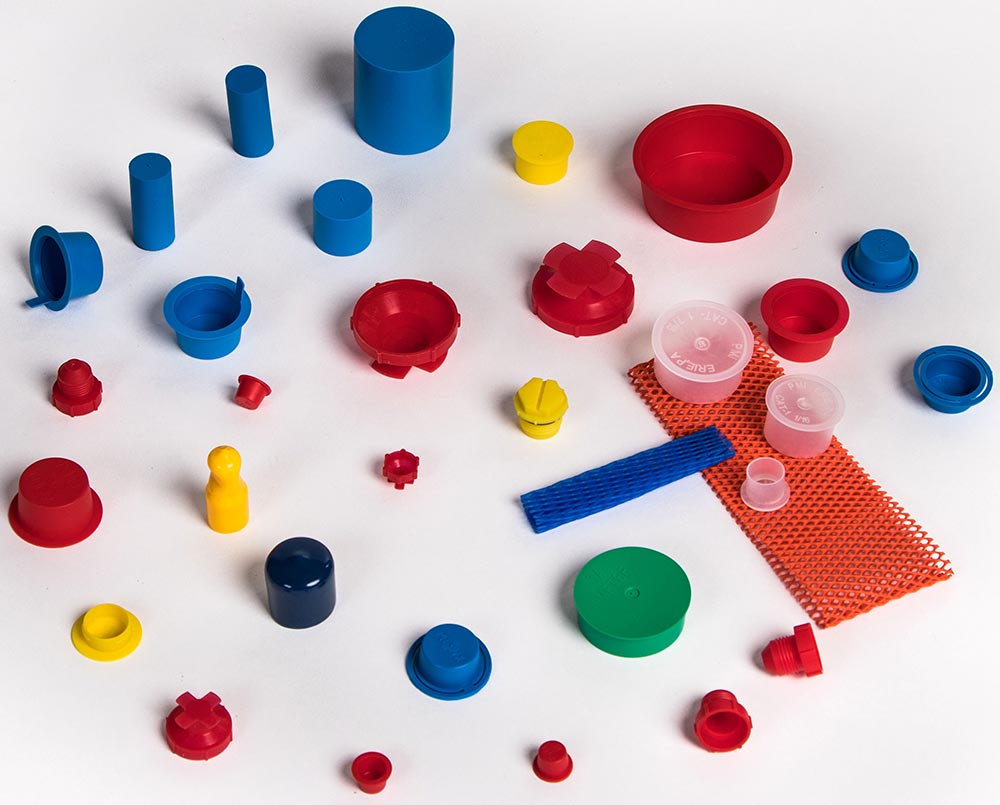
For buyers, engineers, and distributors, understanding this method helps you make smarter sourcing decisions. If your application involves parts like a plastic end cap, structural housings, or thick-walled components, this process may offer clear advantages.
What Is Gas-Assisted Injection Molding?
Gas-assisted injection molding is a variation of standard injection molding that uses pressurized gas, usually nitrogen, to hollow out sections of a molded part. After molten plastic enters the mold, gas is injected into the material. This pushes the plastic outward against the mold walls.
The result is a part with a hollow core and a solid outer surface. That structure reduces weight while maintaining strength and surface quality.
Manufacturers often use this process when traditional molding creates issues like sink marks, warping, or excessive material usage. It allows for better control over wall thickness and internal structure.
How the Process Works
The process follows a sequence that builds on standard injection molding but introduces gas at a critical stage.
In this process:
- Molten plastic fills the mold partially or fully
- Pressurized gas injects into the plastic through a nozzle
- Gas displaces the molten core and pushes material outward
- Plastic cools and solidifies along the mold walls
- Gas releases and the part ejects
Each step requires precise timing. If the gas enters too early or too late, it can affect part quality. Skilled process control ensures consistent results across production runs.
Key Advantages of Gas-Assisted Molding
This method delivers several practical benefits that appeal to both engineers and purchasing teams. These advantages often translate into cost savings and improved product performance via:
- Reduced material usage without sacrificing strength
- Minimized sink marks on thick sections
- Improved dimensional stability and reduced warping
- Enhanced surface finish quality
By reducing internal stress, gas-assisted molding also lowers the risk of defects. This becomes especially important for visible components or parts that require tight tolerances.
When To Use Gas-Assisted Injection Molding
Not every project requires gas assistance. However, certain part designs benefit significantly from this approach.
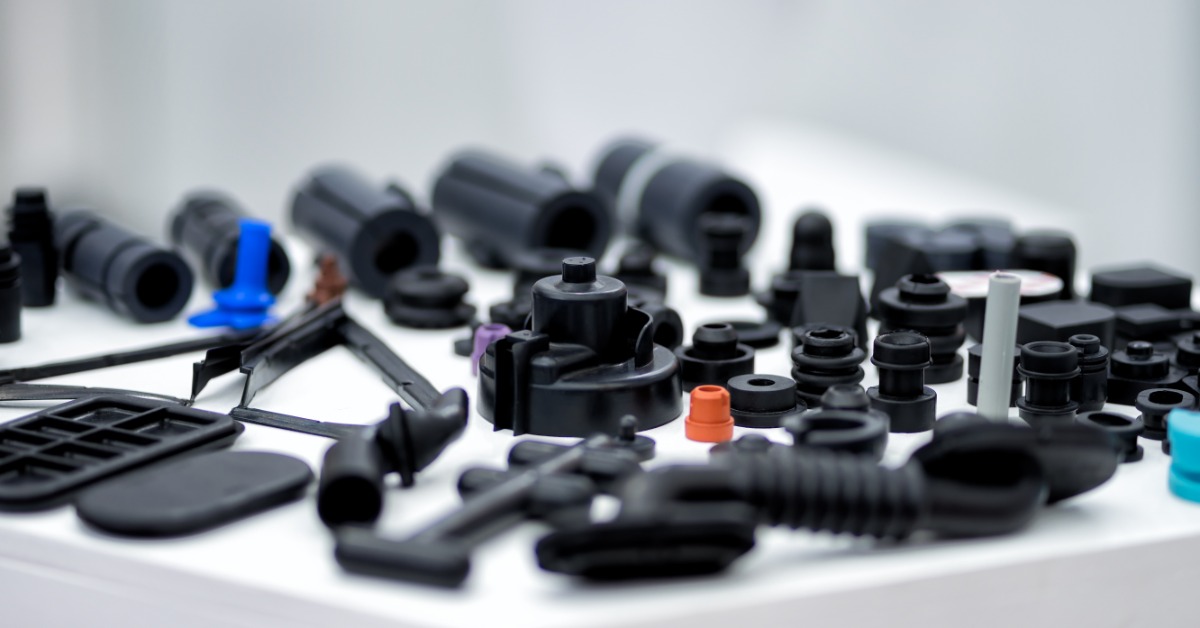
Parts with thick ribs, handles, or structural supports often face challenges in traditional molding. Gas-assisted techniques solve these issues by redistributing material efficiently.
Applications that commonly use this method include automotive components, appliance housings, and industrial enclosures. Even protective components like a plastic end cap can benefit when durability and weight reduction matter.
Design Considerations for Optimal Results
Design plays a major role in the success of gas-assisted molding. Engineers must account for gas channels, wall thickness, and material flow.
Uniform wall thickness still matters, even though the process can handle thicker sections better than traditional molding. Designers should also plan gas entry points carefully to avoid visible marks or weak spots.
Sharp corners and abrupt transitions can interfere with gas flow. Smooth transitions allow the gas to move evenly through the part.
Material selection also affects outcomes. Some resins respond better to gas-assisted processes than others. Working with an experienced molding partner helps you make the right material choice for your application.
Common Applications Across Industries
Gas-assisted injection molding supports a wide range of industries that demand reliable plastic components. Its flexibility makes it suitable for both functional and cosmetic parts.
Manufacturers frequently use it for:
- Automotive interior components like handles and trim
- Consumer products with ergonomic shapes
- Industrial housings requiring structural integrity
In each case, the process improves both performance and appearance. It reduces weight while maintaining strength, which matters for transportation and handling.
Comparing Gas-Assisted and Traditional Injection Molding
Traditional injection molding remains a reliable choice for many applications. However, gas-assisted molding provides clear advantages in specific scenarios.
Standard molding fills the entire cavity with plastic, which can lead to sink marks in thicker sections. Gas-assisted molding removes that limitation by hollowing out the core.
This difference reduces material usage and cycle time. It also improves surface quality, especially for visible parts.
That said, gas-assisted molding requires more specialized equipment and expertise. It may not suit simple, thin-walled parts where traditional methods already perform well.
Cost Considerations and ROI
At first glance, gas-assisted injection molding may seem more expensive due to equipment and setup requirements. However, the long-term savings can offset that initial investment.
Reduced material usage lowers per-part costs, faster cycle times improve production efficiency, and fewer defects mean less waste and less need for reworking.
For high-volume production, these factors create a strong return on investment. Businesses that rely on consistent quality often find the process worth the upfront cost.
When evaluating suppliers, consider their experience with gas-assisted techniques. Reliable execution allows you to capture the full value of the process.

Challenges To Be Aware Of
While gas-assisted molding offers many benefits, it does come with its own challenges. Understanding these helps you avoid costly mistakes.
Process control requires precision. Small variations in timing or pressure can affect part quality, and not all manufacturers have the expertise to manage these variables effectively.
Tooling design also becomes more complex. Molds must accommodate gas channels and injection points, which makes initial designs more crucial to get right.
Material compatibility can limit options in some cases. Certain resins may not perform as expected under gas-assisted conditions.
Working with a knowledgeable partner reduces these risks and ensures consistent production outcomes.
Partner With Polymer Molding for Reliable Results
Your choice of manufacturing partner can directly impact the success of your gas-assisted injection molding projects. At Polymer Molding, Inc. (PMI), we combine technical expertise with responsive customer service to help our customers successfully move from concept to production.
PMI works closely with customers to refine designs, select the right materials, and ensure tooling supports efficient gas-assisted processes. Our team understands how to optimize part performance while keeping production scalable for high-volume needs. This hands-on approach helps reduce delays and improve overall product quality.
If your application requires consistent quality, whether for complex components or durable parts, PMI is ready to deliver dependable molding solutions tailored to your specifications.
Take the Next Step in Smarter Molding Solutions
Gas-assisted injection molding offers a powerful way to improve part quality while reducing costs. This complete guide to gas-assisted injection molding highlights how the process works and where it delivers the most value.
If your project involves complex geometries or high-volume production, this method deserves serious consideration. It supports stronger designs, cleaner finishes, and more efficient manufacturing.
Ready to improve your next project? Connect with Polymer Molding, Inc. to explore custom molding solutions, including high-quality components like plastic end caps built to your specifications.