

News & Events

A Basic Guide to Recycling Polypropylene Plastic
Polypropylene (PP) is one of the most widely used plastics in manufacturing today. Its durability, chemical resistance, and lightweight structure make it a preferred material across industries ranging from automotive to packaging and industrial components. For manufacturers and purchasing teams, understanding how polypropylene fits into modern sustainability goals is becoming increasingly important.
This guide to recycling polypropylene plastic explains why recycling matters and what companies should consider when selecting polypropylene products. By understanding the lifecycle of this plastic, buyers and entrepreneurs can make informed decisions about sourcing, production, and long-term product performance.
What Is Polypropylene?
Polypropylene is a thermoplastic polymer widely used in injection molding and other manufacturing processes. It belongs to the polyolefin family and is commonly identified by the recycling code 05.
The material offers a balance of strength, flexibility, and chemical resistance that makes it suitable for both consumer products and industrial applications. Manufacturers often rely on polypropylene for parts that must withstand repeated handling, environmental exposure, or transportation conditions.
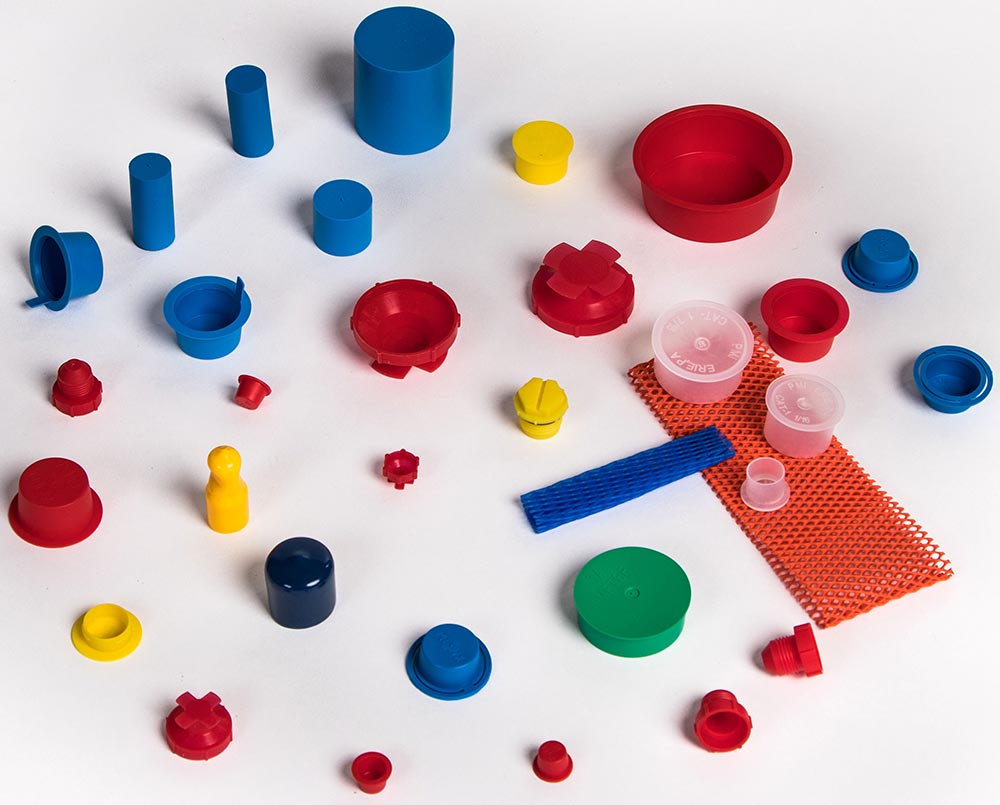
Common industrial uses include protective components such as plastic pipe caps, plugs, and tubing inserts. These products shield threaded fittings, tubing, and valves from contamination or damage during shipping, storage, or assembly.
Because polypropylene can undergo reshaping multiple times without significantly degrading its properties, it is considered one of the more recyclable plastics used in manufacturing. This ability makes it attractive for businesses seeking durable parts while striving for responsible material management.
For purchasing professionals and distributors, polypropylene’s versatility often translates into consistent product performance and predictable manufacturing results. These qualities help manufacturers maintain reliable supply chains and cost-effective production processes.
Why Recycling Polypropylene Matters
Industrial plastics play an important role in modern manufacturing, but responsible material management is becoming increasingly important across supply chains. Recycling polypropylene reduces waste while allowing manufacturers to recover useful material for future production.
For companies that purchase large volumes of molded components, recycled polypropylene can contribute to both environmental goals and operational efficiency. Many industries now evaluate suppliers based on material sustainability and long-term resource management.
Recycling also extends the lifecycle of polypropylene materials that might otherwise end up in landfills. Because polypropylene retains its structure well during remelting, manufacturers can reuse it in many types of molded products.
These recycling efforts:
- Reduce raw material demand for new polypropylene production
- Lower overall waste generated during manufacturing operations
- Improve sustainability reporting for companies and supply chains
These advantages help organizations balance cost control with environmental responsibility. For buyers sourcing protective components such as plastic pipe caps, understanding how teams can recycle polypropylene adds another layer of confidence to the material selection process.
How Polypropylene Recycling Works
Recycling polypropylene involves several steps designed to recover usable material while removing contaminants. The process can vary depending on the source of the plastic, but most recycling systems follow a similar workflow.
The basic polypropylene recycling process typically includes:
- Collection and sorting of polypropylene products or scrap material
- Cleaning to remove oils, labels, or contaminants
- Shredding or grinding into small flakes
- Melting and reforming into pellets for reuse in manufacturing
Once converted into pellets, recycled polypropylene can be used to produce new plastic components through injection molding or other processes.
Blending recycled material with virgin resin allows manufacturers to maintain consistent product performance. With smart blend choices, companies can benefit from recycled content while maintaining strict quality standards.
While not all polypropylene products enter recycling streams today, advances in recycling technology continue to improve recovery rates. Manufacturers can recycle industrial scrap generated during production more easily because facilities already sort the material and keep it free from contamination.

Common Industrial Products Made From Polypropylene
Manufacturers across many industries use polypropylene because it balances performance with affordability. The material resists chemicals, moisture, and temperature changes, which makes it particularly useful for protective components.
Manufacturers often produce molded polypropylene parts that serve temporary but critical roles during manufacturing and transportation.
Examples of common polypropylene components include:
- Protective plastic pipe caps that shield threaded fittings
- Tubing inserts that maintain structural integrity during shipping
- Plugs that protect valves, ports, and machined openings
- Packaging components that prevent contamination
These products may appear simple, but they play an important role in protecting equipment and materials during distribution and assembly.
Challenges in Recycling Polypropylene
Although manufacturers can recycle polypropylene, several factors affect how easily the material enters recycling streams. These challenges often depend on how companies use and collect the plastic.
Contamination remains one of the most common issues. Polypropylene components that contain oils, adhesives, or mixed materials may require additional cleaning before recyclers can process them.
Sorting efficiency also presents challenges. Municipal recycling programs often mix polypropylene with other plastics, which makes separation more difficult. Industrial recycling programs typically achieve higher success rates because facilities sort materials at the manufacturing site.
Transportation costs can also influence recycling decisions. In some cases, companies may find that shipping recycled material to specialized facilities offsets potential cost savings.
Despite these challenges, manufacturers across many industries continue improving recycling practices as sustainability becomes a higher priority.
Choosing Reliable Polypropylene Components
When sourcing polypropylene components, purchasing teams should evaluate more than just price. They also prioritize sustainability alongside reliability, manufacturing consistency, and material quality.
Businesses that rely on protective plastic parts require components that perform consistently across high-volume production runs. Polypropylene offers an advantage in these applications because it delivers durability while remaining widely recyclable. Caps, plugs, and inserts made from polypropylene protect components during shipping and storage while supporting material choices that align with sustainability goals.
Suppliers that specialize in injection-molded polypropylene parts often provide custom molding services for companies that require unique dimensions or specialized designs. By working with experienced manufacturers, companies can source components that meet precise performance standards while also benefiting from a material known for its recyclability and efficient production lifecycle.

Make Meaningful Material Choices With Recyclable Polypropylene
Polypropylene remains one of the most practical and widely used plastics in modern manufacturing. The material offers durability, affordability, and recyclability, which makes it a strong choice for industries that rely on molded plastic components.
This guide to recycling polypropylene plastic explains how recycling works, the benefits it provides, and the factors companies should consider when selecting polypropylene products. Organizations that need durable components such as plastic pipe caps, plugs, or tubing inserts can benefit from working with an experienced manufacturer that delivers consistent quality across its recyclable plastic solutions.
If you’re looking for custom components, contact Polymer Molding to learn more about custom-molded polypropylene solutions designed for your high-volume industrial applications.