
News & Events
The Differences Between Polyethylene and Polypropylene
Material selection plays a critical role in manufacturing performance, cost efficiency, and long-term reliability. For buyers and engineers sourcing plastic components, understanding material behavior is essential to making informed decisions. Two of the most commonly used plastics in industrial applications are polyethylene (PE) and polypropylene (PP). While they share similarities, the differences between polyethylene and polypropylene can significantly impact product performance depending on the application.
Manufacturers use both materials for injection molding components, including electrical wire connector caps, protective plugs, and sealing elements. Choosing the right one requires a clear understanding of how each material performs in real-world conditions.
What Is Polyethylene?
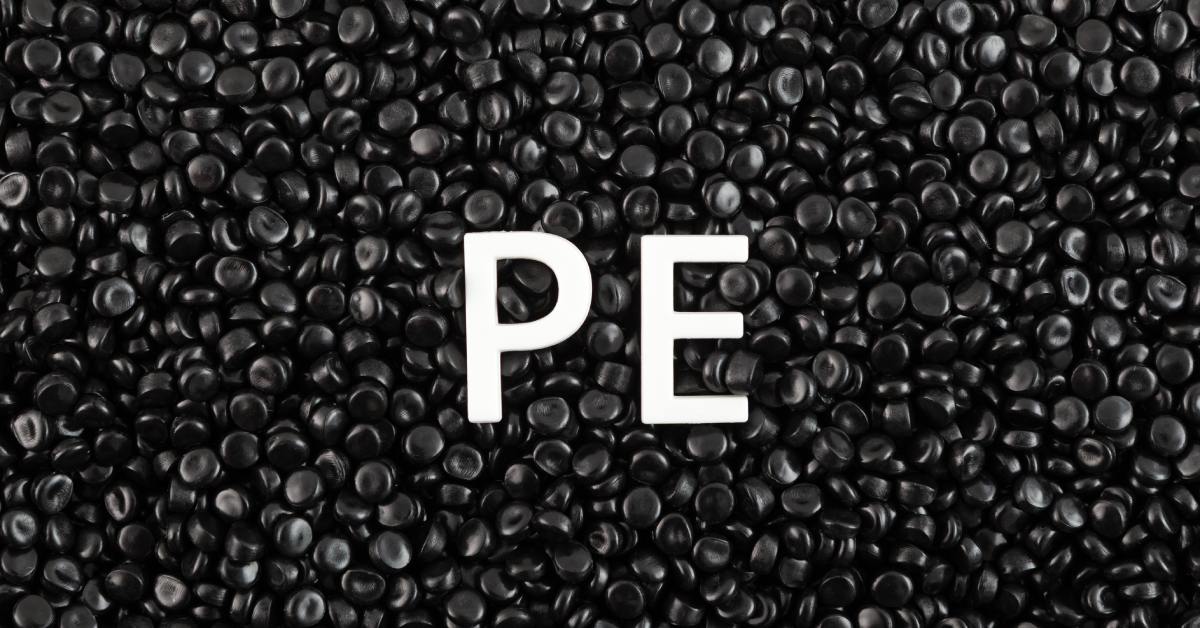
Polyethylene is one of the most widely produced plastics in the world. It is popular due to its versatility, chemical resistance, and flexibility across a range of applications.
Polyethylene is available in several densities, including low-density (LDPE) and high-density (HDPE), each offering different performance characteristics. LDPE tends to be softer and more flexible, while HDPE is stronger and more rigid.
Because of its adaptability, polyethylene is common in packaging, tubing, and protective components where flexibility and impact resistance are important.
What Is Polypropylene?
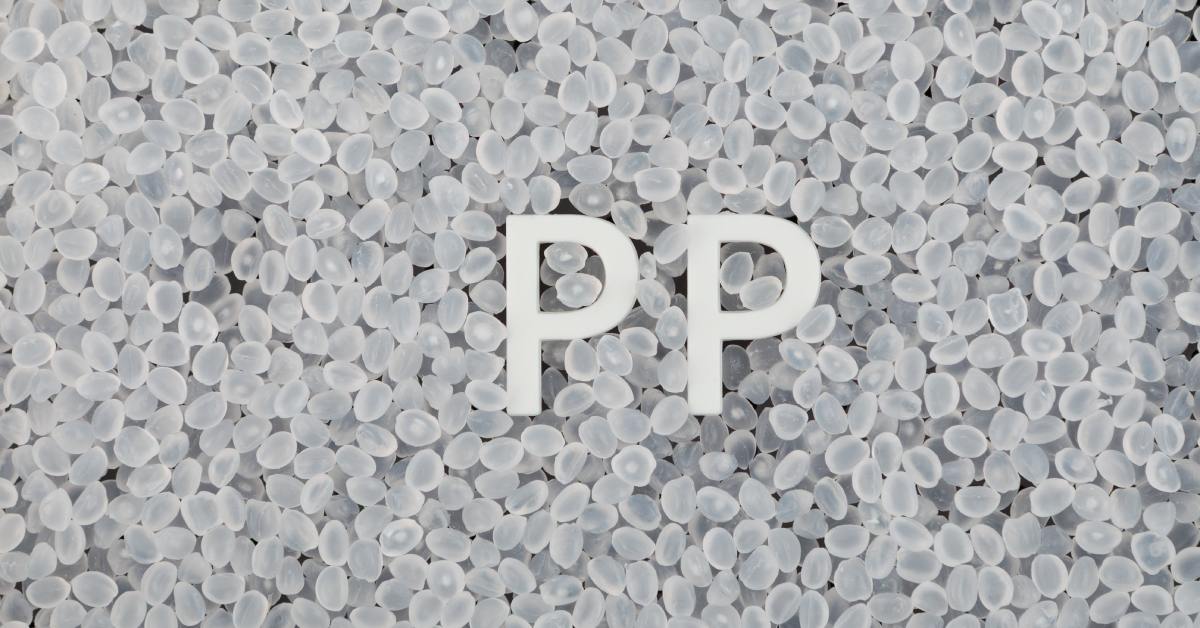
Polypropylene is a thermoplastic polymer valued for its strength, fatigue resistance, and higher temperature tolerance. It is common in applications that require durability and repeated use.
Compared to polyethylene, polypropylene has a more rigid structure. This makes it ideal for parts that need to maintain their shape under stress or heat.
Polypropylene is frequently used in automotive components, medical devices, and industrial caps and plugs, including electrical wire connector caps that must perform reliably in demanding environments.
Key Differences in Material Properties
Understanding how these materials differ at a fundamental level guides better purchasing and design decisions. While both are durable and cost-effective, their performance characteristics vary in important ways.
Flexibility vs. Rigidity
One of the most noticeable differences between polyethylene and polypropylene is how they respond to stress and movement.
- Polyethylene is more flexible and can absorb impact without cracking
- Polypropylene is more rigid and maintains its shape under load
- Polyethylene performs better in applications requiring bending or stretching
- Polypropylene is preferred for structural or load-bearing components
This distinction is especially important when selecting materials for caps or connectors that must either flex during installation or remain firm under pressure.
Temperature Resistance
Temperature tolerance can influence material selection, especially in industrial or outdoor environments.
- Polypropylene has a higher melting point and performs better in elevated temperatures
- Polyethylene softens more quickly under heat
- Polypropylene is more suitable for applications exposed to repeated heat cycles
- Polyethylene performs well in lower-temperature environments
For applications like electrical wire connector caps, where heat resistance may be a factor, polypropylene often provides a performance advantage.
Chemical Resistance
Both materials offer strong resistance to chemicals, but there are subtle differences depending on the environment.
Polyethylene is highly resistant to moisture and a wide range of chemicals, making it a reliable choice for protective applications. Polypropylene also resists many chemicals but performs particularly well when exposed to solvents and acids.
In most general industrial environments, either material can perform effectively, but specific chemical exposure should always be evaluated during material selection.
Durability and Fatigue Resistance
Durability is not just about strength—it also includes how a material performs over repeated use.
Polypropylene has excellent fatigue resistance, meaning it can withstand repeated stress without breaking down. This makes it ideal for components that users will frequently install and remove.
Polyethylene, while durable, is better suited for applications where flexibility and impact resistance are more important than repeated mechanical stress.
Manufacturing Considerations
From a production standpoint, both polyethylene and polypropylene are well-suited for injection molding. However, their differences can affect tooling, cycle times, and final part performance.
Processing Characteristics
Polyethylene generally has a lower melting point, which can make it easier to process in certain molding environments. It flows well and can fill complex molds efficiently.
Polypropylene requires slightly higher processing temperatures but offers excellent dimensional stability once molded. This can be beneficial for precision components.
Cost Efficiency
Both materials are considered cost-effective, but pricing can vary depending on grade, volume, and market conditions.
Polyethylene is often slightly less expensive, particularly in high-volume applications. Polypropylene may carry a marginally higher cost but can offer better long-term value due to its durability and performance.
For purchasing teams, the decision often comes down to balancing upfront cost with lifecycle performance.
Application Differences in Industrial Use
The practical differences between these materials become more apparent when looking at real-world applications. Each material excels in specific use cases depending on performance requirements.
Common Uses for Polyethylene
- Flexible protective caps and plugs
- Packaging materials and liners
- Tubing and fluid handling components
- Impact-resistant covers
Polyethylene is ideal where flexibility, moisture resistance, and ease of use are priorities.
Common Uses for Polypropylene
- Electrical wire connector caps requiring heat resistance
- Automotive and mechanical components
- Hinged or snap-fit parts
- Chemical-resistant containers
Polypropylene is often selected when strength, rigidity, and thermal performance are critical.
Choosing the Right Material for Your Application
Selecting between polyethylene and polypropylene is not always straightforward. The right choice depends on how professionals and consumers will use the part, the environment it will face, and the performance expectations of users.
When evaluating materials, consider the following:
- Environmental exposure, including temperature and chemicals
- Mechanical requirements such as flexibility or rigidity
- Frequency of use or handling
- Cost constraints and production volume
For example, electrical wire connector caps used in environments with fluctuating temperatures may benefit from polypropylene’s heat resistance. On the other hand, applications requiring easy installation and removal may favor polyethylene’s flexibility.
Working with an experienced manufacturer can help ensure that the selected material aligns with both performance and production goals.
How Material Choice Impacts Product Performance
Material selection is not just a technical decision—it directly affects product reliability and customer satisfaction. Choosing the wrong material can lead to premature wear, failure, or increased replacement costs.
Polyethylene offers dependable performance in applications where adaptability and impact resistance are needed. Polypropylene provides long-term durability in more demanding conditions.
By understanding these distinctions, buyers and engineers can make more confident decisions that support both product quality and operational efficiency.
Partner With a Reliable Plastic Molding Manufacturer
The differences between polyethylene and polypropylene come down to flexibility, temperature resistance, durability, and intended application. While both materials are highly reliable, each offers unique advantages that make it better for specific use cases.
For manufacturers and purchasing professionals sourcing components like electrical wire connector caps, selecting the right material will be essential to achieving consistent performance. Polyethylene provides flexibility and cost efficiency, while polypropylene delivers strength and heat resistance where it matters most.
That said, choosing the right material is only part of the equation. Working with a knowledgeable manufacturing partner ensures you receive components produced with consistency, precision, and quality.
Polymer Molding supports businesses across industries with high-volume plastic components designed for performance and reliability. Whether you need standard parts or custom-molded solutions, their team helps align material selection with your application requirements.
Contact Polymer Molding today to discuss your next project and find the right solution for your production needs.