

News & Events

Velcro vs. Cable Ties: Pros, Cons, and Best Uses
For manufacturers, distributors, and purchasing teams, small fastening choices can affect organization, protection, and day-to-day handling. Velcro and cable ties are both common options for bundling, securing, and managing components, but they solve different problems. Understanding the pros, cons, and best uses for Velcro and cable ties helps teams choose a fastening method that supports the application instead of creating extra work later.
This comparison is useful when bundled materials move through production, shipping, storage, or final installation. The right choice can reduce part damage, improve handling, and support cleaner assembly practices. It can also help buyers decide when a standard fastener is enough and when a custom molded plastic component from a plastic injection molding manufacturer would provide a better long-term solution.
Why the Right Fastening Method Matters
Fasteners often seem secondary to the product itself, but they can influence how efficiently a team handles materials. A bundle that slips, crushes, or becomes difficult to reopen can slow down assembly and create avoidable frustration. In some cases, the wrong fastening method can even damage the items it was meant to organize.
Velcro and cable ties both offer practical advantages, but they differ in reusability, holding strength, installation speed, and long-term durability. The best choice depends on whether the bundle needs frequent access, firm retention, surface protection, or a clean finished appearance.
How Velcro Performs in Real Applications
Velcro, often referred to as hook-and-loop fastening, works well when users need a reusable and adjustable closure. It can wrap around bundles without requiring tools, and it can be opened and closed many times. That makes it useful for applications where components may need inspection, repositioning, or service access.
Because Velcro distributes pressure across a wider surface area, it can be gentler on soft, coated, or delicate materials. This can make it a better option for temporary organization or low-pressure fastening. It also helps when teams want to avoid overtightening, which can happen with some cable ties.
However, Velcro has limits. The fastening surface can collect dirt, dust, or debris over time, which may reduce holding strength. It may also lose grip after heavy wear or repeated exposure to harsh conditions. In high-volume industrial environments, the higher unit cost and slower manual wrapping process may also matter.
Velcro is often a strong fit when teams need:
- Reusable bundling for materials that require frequent access
- Gentle fastening for surfaces that should not be compressed
- Adjustable organization during assembly, storage, or service work

Where Cable Ties Offer Clear Advantages
Cable ties are widely used because they are simple, inexpensive, and fast to apply. A standard plastic cable tie creates a secure hold with consistent tension, making it valuable for bundles that do not need frequent reopening. Once tightened, it stays in place until cut or released, depending on the tie style.
For production settings, that kind of simplicity matters. Cable ties can support repeatable bundling across large quantities of parts or materials. They are also easy to store, easy to train workers to use, and available in many sizes and material grades.
The main drawback is that most standard cable ties are single use. Removing them requires cutting, which creates waste and can risk nicking the bundled item if workers are not careful. They can also concentrate pressure in a narrow band, which may damage softer materials when overtightened.
Cable ties tend to work best when the application requires:
- Strong, low-cost bundling for high-volume use
- Permanent or semi-permanent fastening during shipping or assembly
- Compact retention where excess bulk must stay minimal
Comparing Strength, Reusability, and Handling
The biggest difference between Velcro and cable ties comes down to access. Velcro is built for reuse. Cable ties are typically built for firm retention. That distinction should guide the decision before cost or convenience enters the conversation.
If a worker needs to reopen a bundle repeatedly, Velcro usually saves time and reduces waste. It allows adjustment without cutting or replacing the fastener. This can be valuable in serviceable products, reusable packaging, or internal organization systems.
If a bundle should remain secured throughout handling or shipment, cable ties often provide better confidence. They are less likely to loosen from casual contact and can hold tension well. For parts that move through distribution or production, that secure hold may outweigh the lack of reusability.
Durability in Industrial Environments
Cable ties made from the right plastic can provide strong resistance to handling stress, moisture, and many industrial conditions. However, environmental conditions can change how each fastening method performs. Heat, UV exposure, chemicals, or abrasion can affect the performance of different materials.
Velcro can perform well in controlled settings but may struggle in dirty or abrasive environments. When the hook-and-loop surface collects debris, the connection may not hold as reliably. Moisture and repeated wear can also reduce the fastening surface’s effectiveness over time.
For demanding applications, buyers should consider:
- Temperature exposure during storage, shipping, or use
- Contact with moisture, oils, dust, or abrasive debris
- Expected handling frequency before the fastener is removed or replaced
A fastening choice that works well in a clean assembly area may not hold up the same way in outdoor storage, industrial transport, or repeated field handling.
When a Molded Plastic Component May Be Better
Velcro and cable ties are useful, but they are not always the best solution. Some applications need more than bundling. They may require protection, alignment, spacing, sealing, or a specific fit that a strap or tie cannot provide.
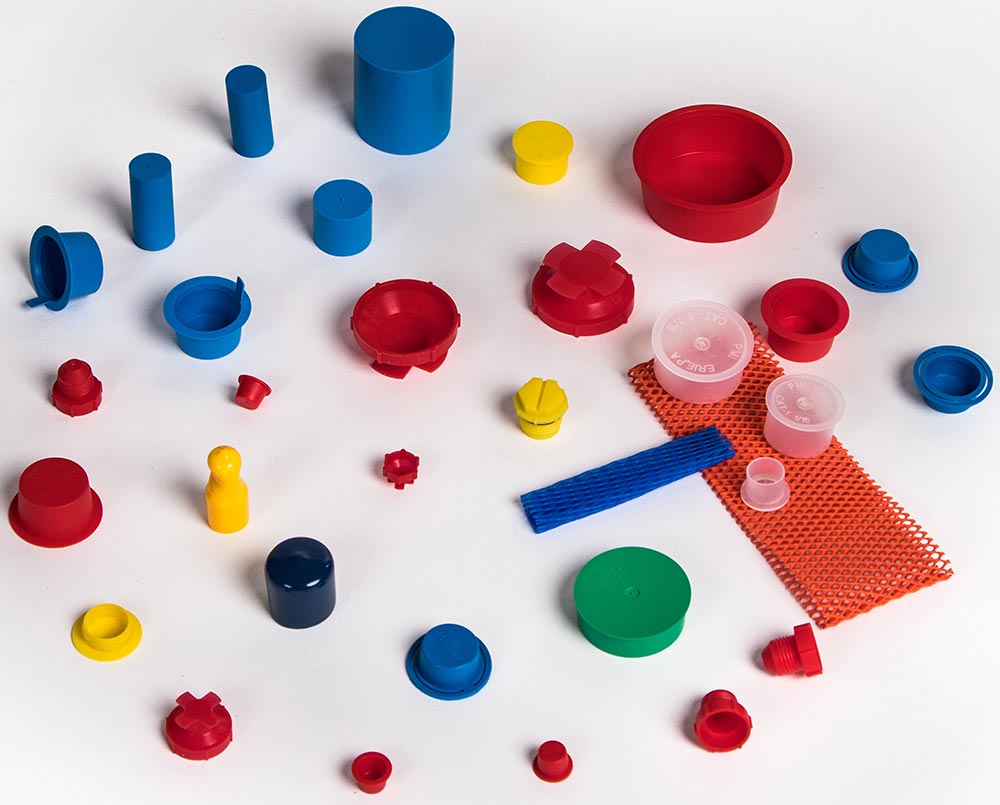
That is where molded plastic components can offer a better option. Protective caps, plugs, clips, sleeves, inserts, and custom retainers can be designed around the actual part geometry. A custom molded solution can support the product’s shape, handling requirements, and production volume.
For example, a molded clip may hold components in a consistent position during shipment. A custom cap or plug may protect an opening from damage or contamination while also simplifying installation. A plastic insert may create a cleaner, more repeatable fit than a flexible tie wrapped around the outside of a part.
Working with a plastic injection molding manufacturer helps teams evaluate whether a standard fastener is enough or whether a molded solution would reduce labor, improve protection, and create a more consistent user experience.

Choosing the Best Option for Your Application
The best fastening method depends on how the product moves, who handles it, and what must happen after it is secured. Velcro is often better for reusable, adjustable, or gentle fastening. Cable ties are often better for fast, strong, low-cost retention.
For one-time bundling, cable ties usually make sense. For repeated access, Velcro can be more practical. For applications that require precise protection or positioning, neither option may be ideal on its own.
Buyers should also consider whether the fastening method supports the product’s larger purpose. If the goal is simple organization, a standard solution may be enough. If the goal is product protection, assembly consistency, or long-term reliability, a custom molded plastic component may offer stronger value.
Better Fastening Decisions Start With the Application
Velcro and cable ties both serve important roles, but they are not interchangeable. The right choice depends on strength needs, access requirements, surface sensitivity, and environmental exposure. By weighing the pros, cons, and best uses for Velcro and cable ties, teams can make smarter decisions that improve handling and reduce avoidable problems.
When a fastening challenge requires more than a standard wrap or tie, Polymer Molding can help. We work with customers to develop dependable molded plastic components, protective caps, plugs, inserts, and custom solutions built around real application needs. If your team needs support from a responsive plastic injection molding manufacturer, we are ready to assist.