

News & Events

Tattoo Equipment Costs: What New Artists Should Expect
A new tattoo career comes with plenty of excitement, but the first supply order can deliver a bit of sticker shock. A realistic budget gives new artists room to build a dependable setup without a cart full of products they may barely use. If you want to learn about tattoo equipment costs, dive into our guide below to learn what new artists should expect.
Start With the Tattoo Machine
The tattoo machine will probably claim one of the largest portions of a new artist's equipment budget. Current professional options cover a broad price range, from models near $125 to premium systems above $1,000. Several models aimed at newer artists sit around the $170 to $375 range, so there's plenty of space between entry-level and high-end equipment.
Price alone doesn't tell the whole story. A machine should suit the artist's preferred techniques, feel comfortable in the hand, and provide dependable performance through repeated sessions. A less expensive model may serve an apprentice well before personal preferences become clear. Premium equipment can come later once an artist has a stronger sense of stroke, weight, grip, and power preferences.
Wireless machines may also alter the initial budget. A wireless pen can reduce the need for a separate power supply, clip cord, or foot pedal in some setups. Traditional machines can require those extra components, so the lower machine price doesn't always mean a lower total purchase.
Account for Needles and Cartridges
Needles and cartridges aren't one-time purchases. They're part of the repeat supply budget, so new artists need to account for them beyond the first equipment order. Current boxes of 20 cartridges can cost around $20 to $40, based on brand and configuration.
Artists may also need several configurations for line work, color, and shade work. That can turn one box into several boxes before a new artist has a practical assortment on hand. It helps to start with configurations used most during practice and early appointments, then expand the selection as the artist's style develops. A large inventory may look impressive, but unused cartridges tie up money. Prioritizing a focused selection gives new artists more control over early supply costs.
Plan for Tattoo Ink
Ink creates another expense category with plenty of room for variation. New artists don't need dozens of specialty shades at once. A practical core palette can cover early needs, with extra colors added as client demand and artistic style evolve.
Size also affects value. Large bottles may cost more upfront but can offer better value for colors that see regular use. Smaller bottles let an artist test less familiar shades without a large commitment. Artists should also track how fast each color moves. Black may disappear at a very different rate from a niche accent shade. Purchase habits based on actual use can prevent excess stock and reduce waste.

Don't Overlook Ink Cups and Palettes
Small supplies can seem minor next to a tattoo machine, but they deserve their own place in the budget. Ink cups serve as disposable containers for ink during a session, so artists need a steady supply. Different cup sizes also let an artist match the container to the amount of ink a piece requires.
For example, a small detail may need far less ink than a large color piece. Access to several cup sizes can help an artist portion ink with more control. Reusable holders and palettes can also keep cups stable and organized across the workstation.
Add Stencil Supplies to the Budget
Stencil paper, transfer products, markers, and related supplies deserve attention before the first full schedule of clients. A box of 100 tattoo stencil sheets can currently cost around $25 to $40, depending on the product and supplier. A thermal printer adds another upfront expense if the studio doesn't already provide one.
Apprentices who work inside an established shop may have access to shared equipment, so it pays to check what's available before any large purchase. The same logic applies to tablets, printers, and design software. Shop resources can reduce the amount an artist needs to purchase alone.
Budget for Barriers and Sanitation Supplies
Identifying what new artists should expect from tattoo equipment costs requires a closer look at sanitation supplies. The less glamorous side of the supply list can add up fast. Gloves, barrier film, surface products, disposable drapes, machine covers, dental bibs, and other protective supplies all contribute to the cost of each appointment.
Unlike a chair or machine, these products leave the inventory at a steady pace. A busy month can require several restock orders. Artists should treat these supplies as a recurring business expense rather than a one-time startup purchase. Local health rules and shop policies may also affect the exact products an artist needs. Review applicable requirements before the first order so the supply list reflects the actual workspace.
Furniture Can Change the Total Fast
A functional tattoo space needs more than tools that touch ink. An artist may need a chair or table, stool, armrest, workstation, lamp, storage unit, and waste containers. Those purchases can push startup costs higher than expected.
New artists who join an established studio may have access to some shared furniture. Independent artists may face a much larger upfront expense. Used professional furniture can reduce costs in some cases, but condition and suitability deserve close review before purchase. Comfort matters for the artist and client alike. A bargain chair that becomes uncomfortable after an hour may prove less useful than a durable piece that supports long sessions.

Separate Startup Costs From Repeat Costs
One of the easiest ways to understand a tattoo equipment budget is to divide expenses into two groups. Machines, furniture, lamps, and reusable holders fall mostly into the startup category. Cartridges, gloves, ink cups, barriers, stencil paper, and similar products return to the budget on a regular basis.
This separation gives artists a clearer view of cash needs after the initial setup. A $2,000 equipment purchase may feel substantial, but repeat supplies can have a larger effect over time if no one tracks inventory. A basic spreadsheet can help. Record the purchase date, quantity, cost, and approximate rate of use for each supply. After a few months, reorder patterns become much easier to predict.
Plan Your Budget Today
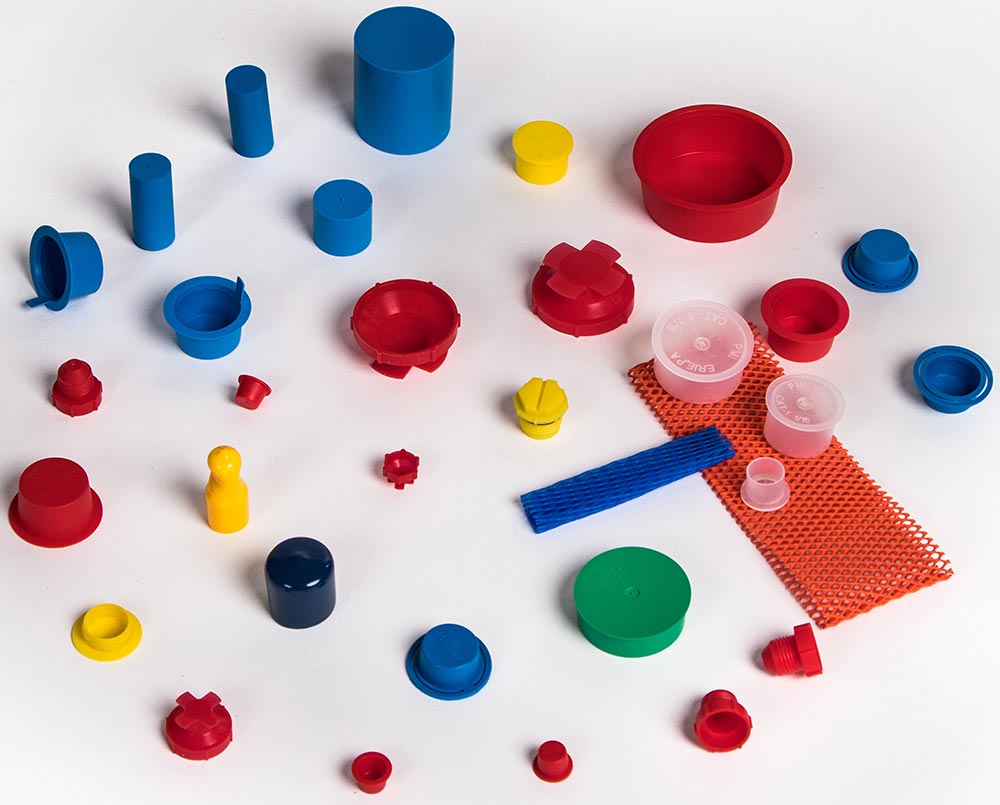
The first supply order is only one part of the financial picture. Tattoo equipment costs continue to shift as an artist adds clients, develops a style, and replaces supplies. Smart inventory habits can keep those expenses more predictable without leaving the workstation short on basic materials. Start with dependable tools, build a focused inventory, and track repeat purchases from the first month. Explore Polymer Molding's selection of tattoo caps to find a fit for your studio's needs.