

News & Events

Stock vs Custom Packaging: Which Is Best for Your Product
A product can leave the factory in perfect condition, but the package around it still has a major job ahead. It must protect the contents, support efficient shipment, fit the budget, and present the product in a way that suits its market. That creates a practical choice between readily available stock options and a package made to exact product requirements. Take a closer look at stock vs. custom packaging to find the best fit for your product.
What Is Stock Packaging?
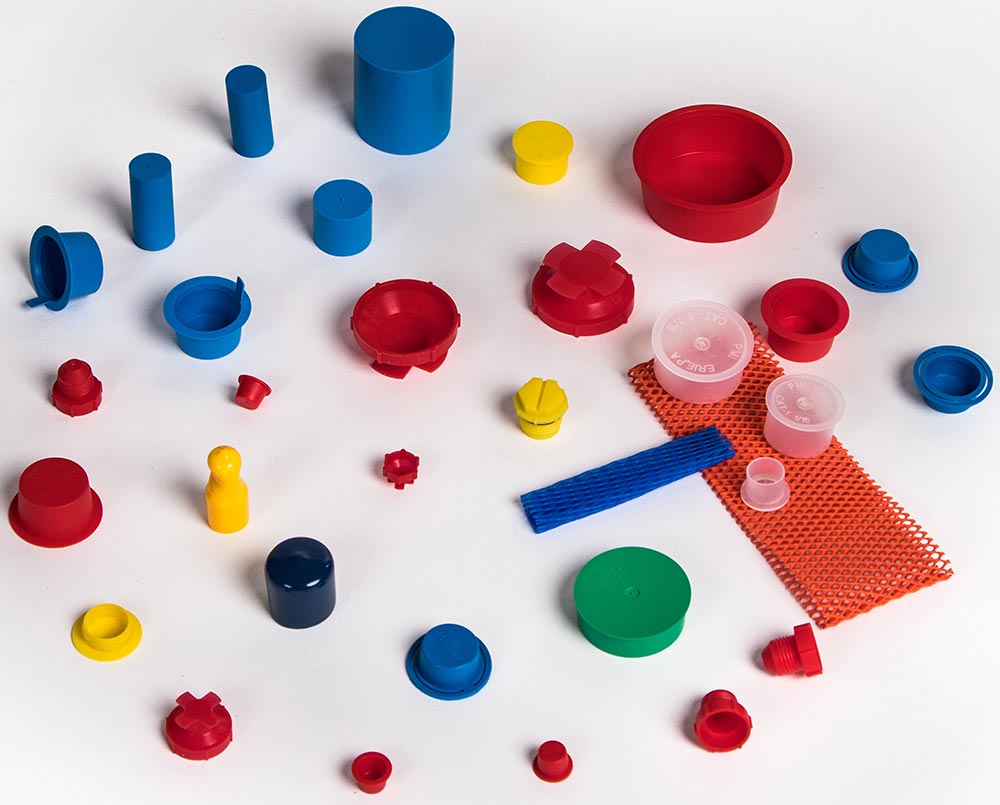
Stock packaging refers to standard products that come in established dimensions, shapes, and configurations. Manufacturers select an option from an existing catalog rather than commission a new design. Common examples include standard containers, boxes, bags, caps, plugs, trays, and other protective components.
Availability gives this approach much of its appeal. Since the product already exists, a company can place an order without a custom development process. That can suit a new product, a smaller production run, or a company that needs parts on a short schedule.
Standard products can also reduce initial costs. A buyer doesn't need to fund a dedicated mold or other custom production setup for every component. For companies with products that fit common dimensions, that simplicity can offer a sensible path to production.
Where Stock Options Excel
Speed stands out as one of the strongest benefits of a stock solution. A company can choose an established part, confirm specifications, and move toward an order without a lengthy development stage. This advantage can prove valuable when a launch date sits close on the calendar.
Stock parts also give buyers a chance to work with established dimensions and product specifications. Teams can compare available choices against the dimensions and protection requirements of their product. That straightforward process can reduce the number of design decisions required before an order.
For example, a manufacturer may need caps to cover a common tube diameter during shipment. If a standard cap already fits the application, a custom mold may add cost without enough benefit to justify it. A catalog part can address the need with fewer steps.
Where Stock Products Can Fall Short
Standard dimensions create convenience, but they also set limits. A product with an unusual profile, special surface, unique dimensions, or specific protection requirements may not pair neatly with an existing option. A near fit isn't always a good fit.
Excess space can allow a product to shift during transit, and a part that's too tight can create its own problems. In other cases, a stock component may cover an area that needs access or leave a sensitive section exposed. Those details can push a manufacturer toward a purpose-built solution.
The same concern applies to production efficiency. A stock component may perform its main task, but add an extra assembly step or require another part to complete the job. At sufficient volume, those compromises deserve a closer look.

What Custom Packaging Brings to the Product
Custom packaging starts with the needs of the application rather than the dimensions of an existing catalog part. Dimensions, material, shape, fit, and functional details can all reflect the product and its use. That gives manufacturers more control over how a component interacts with the final product.
A custom plastic cap or plug, for example, can match a specific opening, thread, fitting, or surface. The design can account for the amount of coverage required as well as removal and installation needs. For industrial products, such details can help protect components from dirt, debris, moisture exposure, or damage during transit and storage.
Custom work can also address unusual product geometry. A component doesn't need to conform to a standard shape just because the closest catalog option does. The design can start from the actual application instead.
Production Volume Deserves Close Attention
Volume can shift the economics of the decision. Stock products usually have a lower barrier at the start because they don't require a dedicated mold for the buyer's application. That can suit lower quantities or products with uncertain long-term demand.
Custom components usually require more development at the front end. Tool costs and design work need consideration before production begins. As order volume rises, though, a purpose-built part can become easier to justify across a larger quantity of finished products.
A manufacturer that expects steady demand over several years may view the initial custom cost differently from a company with a short-run product. Forecasts, order frequency, expected product life, and future volume all belong in that calculation. A realistic view of demand can prevent a company from paying for customization it doesn't need or accepting compromises for far too long.
Product Protection Should Guide the Decision
As you compare stock and custom packaging to find which is best for your product, strength is critical to consider. A package or protective component has to suit the hazards a product may face after production. Dust, debris, impact, abrasion, moisture, and contact with other parts can create problems during storage or transit. The level of protection required depends on the product and its destination.
Stock parts can provide suitable protection when dimensions and application needs align. Custom products offer another route when exposed surfaces, unusual shapes, tight tolerances, or specialized use conditions demand a closer fit. Consider a threaded fitting as an example. A standard plug may provide suitable coverage if its dimensions match the fitting. A unique port geometry or product configuration may call for a custom part that matches the application more closely.

Know When Customization Has a Clear Purpose
Customization works best when it solves a defined problem. An unusual shape, specific fit, high production volume, specialized protection requirement, or inefficient assembly process can provide a practical reason to explore a custom design. Custom work for its own sake rarely serves the budget.
Before that investment, teams can review existing stock options and compare them against actual product requirements. If a standard component performs the job without compromises, it may remain the more practical choice. If gaps appear, those gaps can help define the custom design. This approach also gives engineers, buyers, and suppliers a clearer basis for discussion. Instead of starting with a vague request for a unique part, the team can identify the exact limitation that a new design needs to address.
There isn't one universal answer for every manufacturer. Stock packaging can offer speed, accessibility, and lower upfront expense, while custom solutions can provide a closer fit and more control over product protection and production requirements. The right route depends on what the product needs from the component around it. A careful review of volume, dimensions, material needs, shipment conditions, labor, and total cost can clarify the choice. It also helps to work with a manufacturer that can discuss existing products before a custom solution enters the conversation. Talk with custom plastic parts manufacturers who can help you get the materials you need for your business.