
News & Events

How To Vet and Choose a US Manufacturing Partner
A supplier can look promising during the quoting process, but they might become a source of frustration after production begins. Missed delivery dates, inconsistent quality, and poor communication often do not appear until a business is already committed to the relationship.
That is why companies should thoroughly evaluate potential suppliers before making a purchasing decision. Understanding how to vet and choose a US manufacturing partner reduces risk, improves supply chain stability, and supports long-term operational goals.
Start With the Role the Supplier Needs To Fill
Before comparing manufacturers, define what you need the partner to handle. Some companies only need a standard product supplier. Others need support with custom tooling, material selection, design refinement, or recurring high-volume production.
Knowing what you’re looking for helps your team ask better questions and compare each supplier against the same expectations.
Look for Relevant Manufacturing Experience
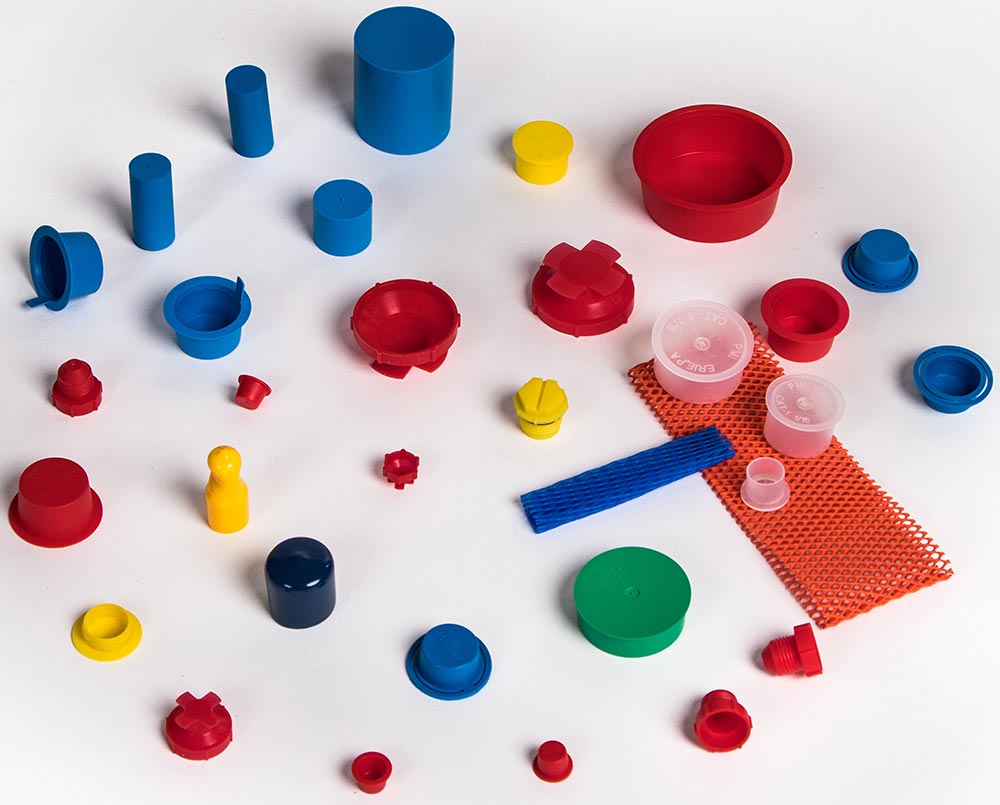
A strong supplier should have experience with products and industries similar to yours. General manufacturing knowledge is useful, but relevant experience helps reduce avoidable learning curves. For example, a manufacturer that produces pipe production caps will be better prepared to discuss tolerances, material options, and production requirements.
When reviewing a potential partner, look for these signs that indicate they understand your application:
- They can explain material options in practical terms.
- They can support consistent sizing across production runs.
- They can discuss standard and custom component needs.
- They can speak clearly about volume requirements.
Experience also affects how quickly a supplier can identify potential issues. If a component must protect threads during shipping, prevent contamination, or stay secure during handling, the manufacturer should recognize those requirements early.

Evaluate Communication Before You Place an Order
Initial conversations often reveals how the relationship will look if you move ahead with the partnership. A manufacturer that responds clearly during the quoting stage is more likely to provide useful support during production. Slow replies, vague answers, or unclear timelines can signal future friction.
Pay attention to how the supplier handles your first questions. Do they explain capabilities in a direct way? Do they ask for the information needed to quote accurately? Do they clarify the thought process behind projected lead times instead of overpromising?
Good communication is especially valuable when custom parts are involved. Tooling decisions, resin selection, and design adjustments require collaboration. If the supplier is difficult to reach before the purchase order, the process may become harder once production begins.
Review Production Capacity and Scalability
A supplier may be capable of producing a part but still prove unable to support your volume or timing requirements. Capacity should align with your current needs and your expected growth, especially if you need recurring orders or support during seasonal demand changes.
Ask whether the manufacturer can handle your order volume without sacrificing quality or lead time. The answer should feel realistic rather than overly optimistic. A dependable partner will be honest about production schedules and constraints.
It also helps to understand whether the supplier supports both standard and custom manufacturing. If your needs change, a partner with broader molding capabilities may help your team avoid switching vendors.
Ask About Material Knowledge
Material selection affects how a plastic component performs during storage, shipping, installation, and use. A reliable manufacturing partner should be able to explain why one material may be better than another for your application.
For protective products, flexibility, rigidity, temperature exposure, and chemical contact can all influence the right choice. A cap used for temporary shipping protection may need different properties than a component exposed to rough handling or outdoor storage.
A good supplier should help your team evaluate factors such as:
- Fit requirements for the part or fitting
- Exposure to moisture, heat, or chemicals
- Installation and removal conditions
- Expected production volume
This guidance can prevent costly mismatches. It also gives purchasing teams more confidence that the selected product will support their real operating conditions.
Weigh Price Against Long-Term Value
Price will always be part of sourcing, but it should not be the only filter. A low unit cost can become expensive if parts arrive late, vary between shipments, or create installation issues.
When comparing quotes, look at what each supplier includes. A slightly higher price may come with better communication, stronger consistency, or more useful engineering support. Those advantages can reduce disruptions and save time across repeated orders.
Check How the Supplier Handles Custom Requirements
Custom molding requires more than production equipment. It requires careful review of part geometry, material behavior, tooling requirements, and end-use needs. If your project involves a custom cap, plug, insert, or molded component, ask how the supplier guides customers through that process.
A strong partner should be able to identify design concerns before tooling begins. They may recommend adjustments to improve moldability, reduce waste, or improve fit. This input can help you avoid delays later in the project.

Build a Practical Vetting Process
A structured vetting process helps your team compare suppliers fairly. It also reduces the chance of choosing based on a single factor, such as price or turnaround time.
Before making a decision, your team should confirm:
- That the supplier has relevant product and industry experience
- That communication is clear during quoting and technical discussions
- That their quality controls support consistent production
- That their capacity aligns with present and future order needs
Choose a Partner Built for Reliable Supply
The best manufacturing partner should make sourcing easier over time. They should provide consistent products, clear communication, and practical support when your needs change. For buyers sourcing pipe protection caps, molded plugs, inserts, or custom plastic components, that reliability can strengthen production planning and reduce avoidable setbacks.
At Polymer Molding, we work with customers who need dependable molded plastic solutions for standard and custom applications. Our team supports high-volume production needs while helping customers evaluate component fit, material selection, and practical performance requirements. We focus on responsive service and consistent results so your team can source with fewer complications.
Make Your Next Supplier Decision Count
Knowing how to vet and choose a US manufacturing partner gives your team a stronger foundation for sourcing decisions. The right supplier should support product quality, clear communication, reliable production, and long-term planning.
If your business needs protective components, we invite you to connect with Polymer Molding. We can help you evaluate your needs and find a dependable solution for your next project.