

News & Events
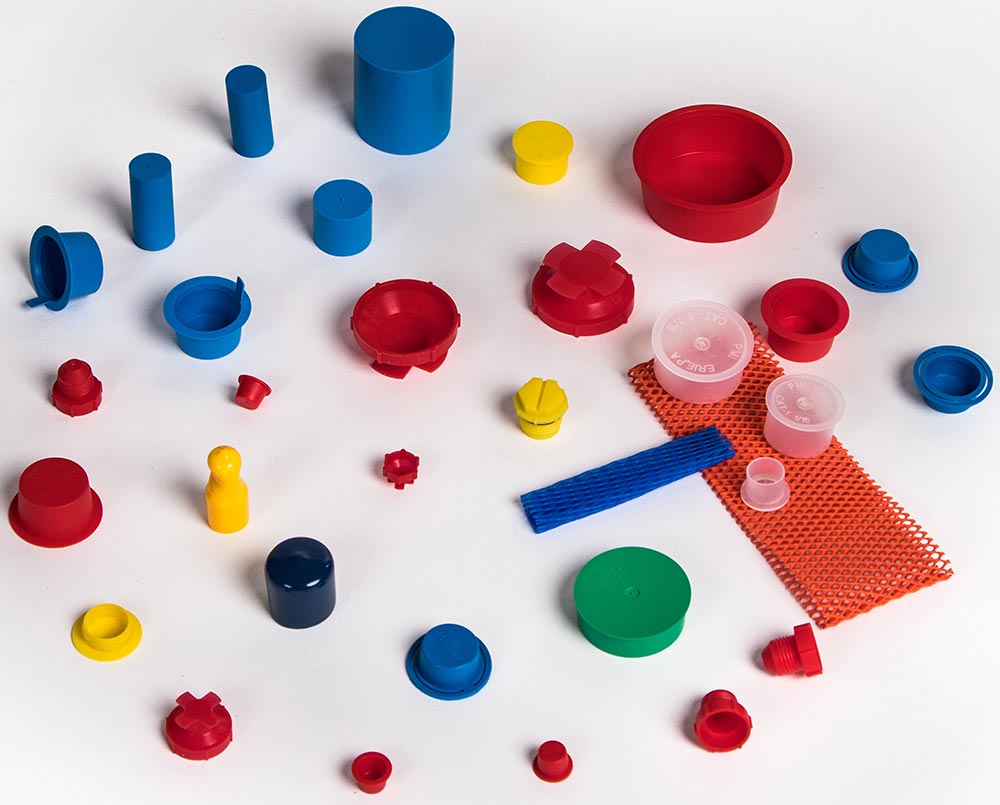

How To Get Accurate Color Matching in Injecting Molding
Color consistency shapes how customers view a finished plastic part. A slight shade shift can affect brand identity, product acceptance, or visual appeal, even if the part performs exactly as intended. How to get accurate color matching in injection molding starts with careful material selection, disciplined process control, and close collaboration with an experienced molding partner. If your next project calls for dependable color accuracy from the first production run through long-term volume, contact Polymer Molding to discuss your application and production goals.
Color Accuracy Starts With Material Selection
Every successful color program begins with the resin. Different polymers react to pigments in unique ways, and the base resin can change the final appearance even before production starts. A natural resin may produce one result, but the same color formula can appear different in a resin with another base tone. That reality calls for careful planning before a mold ever reaches the press.
Resin grade also affects light reflection, surface texture, and opacity. A glossy finish creates a different visual effect than a matte surface, despite use of the same color formulation. Material suppliers and molders work together to identify a combination that delivers the target appearance across the entire production run.
Colorants Require Precision
Color concentrates and pre-colored resins each offer distinct advantages. A masterbatch gives manufacturers flexibility for custom production, especially for larger orders or multiple product variations. Pre-colored resin works well for projects that demand tight visual consistency from lot to lot.
The ratio between resin and color concentrate deserves close attention. Even a minor variation can shift the final shade. Accurate measuring equipment and repeatable production methods help maintain the desired appearance from the first part through the final shipment.
Process Stability Supports Consistent Results
A carefully developed process protects color quality throughout production. Melt temperature, mold temperature, injection pressure, and cycle time each influence how pigments appear in the finished part. Small process changes can alter gloss, transparency, or color depth.
Experienced molders establish documented process parameters before full production begins. Operators monitor those values throughout each production run so every batch follows the same proven recipe. That disciplined approach reduces unwanted color variation and supports reliable product quality.

Tool Design Plays a Role
The mold itself contributes to the final appearance. Surface finish, gate location, wall thickness, and part geometry all influence how light reflects from the finished component. Two parts with identical material and identical color concentrate can still appear different due to design characteristics.
Uniform wall thickness promotes even resin flow throughout the cavity. Balanced flow paths also reduce visual variation across larger parts. Early collaboration between product designers and mold engineers helps avoid cosmetic challenges before production begins.
Testing Before Full Production
Color approval should never rely on computer screens or printed samples alone. Physical molded samples provide the most reliable representation of the finished product. Production teams compare those samples under controlled lighting conditions before final approval.
Many manufacturers review parts beneath multiple light sources. Daylight, office lighting, and retail environments each reveal subtle color differences. That evaluation process builds confidence before high-volume production begins and reduces the chance of costly revisions later.
Environmental Factors Affect Appearance
Plastic parts may face sunlight, chemicals, moisture, or elevated temperatures after shipment. Those conditions can influence long-term color stability. Pigments selected for indoor products may not perform the same way in outdoor environments.
UV stabilizers and specialized pigment systems help preserve appearance across demanding applications. Product requirements determine the most appropriate formulation for each project. Early discussion about end-use conditions allows the molding team to recommend materials that match performance expectations.
Quality Control Throughout Production
One of the best ways to get accurate color matching in injection molding is to optimize your quality control process. Color verification continues after production begins. Many manufacturers use spectrophotometers to compare molded parts against approved standards. Those instruments provide objective measurements instead of visual opinions alone.
Visual inspections remain valuable as well. Trained personnel examine production samples at scheduled intervals to confirm that appearance matches customer expectations. Combined inspection methods create another layer of confidence before parts move to packaging and shipment.
Common quality practices include:
- Approved master color samples
- Controlled material lot tracking
- Routine equipment calibration
- Scheduled production inspections
- Documented process parameters
Each step supports repeatable production and dependable color consistency.
Communication Improves Final Results
Strong communication between customers, material suppliers, and molding partners supports successful color development. Early discussions help identify appearance goals, environmental demands, regulatory requirements, and production volumes before tooling begins. Color standards also deserve clear documentation. Physical samples, Pantone references, or custom standards provide a common reference throughout development and production. That shared understanding reduces confusion and creates smoother project execution from prototype through full-scale manufacturing.

Color Standards Keep Production Aligned
A defined color standard gives every team member the same target from the first sample through final production. Many manufacturers rely on an approved molded part instead of a printed color card because plastic reflects light differently than paper. Digital color values also support consistency, but physical samples remain the primary reference during production. Clear documentation helps prevent confusion if production resumes months after the original order or moves to another manufacturing lot.
Batch-to-Batch Consistency Requires Material Traceability
Raw material traceability supports repeatable color results across future production runs. Resin suppliers assign lot numbers so manufacturers can track every shipment that enters the production process. If a color shift appears, production records help identify the source without unnecessary delays. Detailed documentation also supports future reorder projects because technicians can reference the same materials, process settings, and color formulation that produced the approved parts.
Secondary Operations Can Affect Color Appearance
The molded part does not always leave the production floor in its final form. Cleaning, packaging, printing, or decorative treatments may alter how the surface reflects light. Even protective packaging materials can leave marks on high-gloss components if the wrong material comes into contact with the plastic. Early planning between the customer and the molding team helps protect the approved appearance until every part reaches its final destination.
Accurate color matching comes from thoughtful planning, proven materials, stable production methods, and careful inspection throughout every stage of manufacturing. Each decision builds toward a finished product that reflects the intended appearance from one production lot to the next. An experienced molding partner helps identify potential challenges early and develops practical solutions before production begins. Contact Polymer Molding today to discuss your custom plastic molding project and discover how a collaborative approach supports reliable color consistency across every order.