

News & Events

High-Density Polyethylene: Is It BPA-Free or Not?
Plastic materials serve countless purposes across manufacturing industries, but concerns about chemical safety have changed how businesses evaluate their options. High-density polyethylene (HDPE) has earned a strong reputation for durability and versatility, particularly in applications that demand dependable protection. Still, buyers may wonder, is high-density polyethylene BPA-free or not? The answer matters because material composition affects product safety and suitability for specific applications. At Polymer Molding, we understand how material selection influences product performance, and we're here to help businesses choose protective plastic components that meet their operational needs.
What Is High-Density Polyethylene?
High-density polyethylene is a thermoplastic polymer derived from ethylene, a chemical compound used to produce numerous plastic materials. Manufacturers value HDPE for its relatively rigid structure, moisture resistance, and ability to withstand everyday physical demands. Its molecular structure creates a material that combines toughness with relatively low weight, which makes it suitable for industrial applications.
You'll find HDPE in containers, industrial components, and protective packaging. Manufacturers also use it for pipes and other products that must tolerate contact with moisture. Its versatility allows businesses to select HDPE for applications where durability matters more than appearance alone.
Does High-Density Polyethylene Contain BPA?
High-density polyethylene doesn't require bisphenol A (BPA) as part of its polymer structure or standard manufacturing process. BPA serves as a chemical building block for certain other plastics, particularly polycarbonate. HDPE belongs to a different polymer family, so manufacturers don't need BPA to produce the material.
This distinction makes HDPE a BPA-free plastic under normal manufacturing conditions. However, businesses should distinguish between the polymer itself and any additional substances introduced during production. Colorants, recycled content, or specialized additives can influence a finished product's chemical composition.
For applications with strict material requirements, buyers should request documentation from their suppliers. Such documentation helps confirm that the finished component meets the relevant specifications. A BPA-free base polymer doesn't automatically establish compliance with every safety standard.

Why Do People Worry About BPA in Plastics?
BPA has attracted attention because researchers have studied its potential effects on the body's endocrine system. Certain substances can interact with hormonal processes, which raises concerns about exposure under particular conditions. These concerns have encouraged businesses to examine the materials used in consumer products.
Not every plastic contains BPA, though. Different polymer families rely on different chemical structures, so treating all plastics as chemically identical creates unnecessary confusion. Understanding the actual material provides a more useful basis for purchasing decisions than assumptions about plastic products generally.
How HDPE Compares With Other Plastic Materials
HDPE differs from polycarbonate, a plastic traditionally associated with BPA use. Polycarbonate offers transparency and impact resistance, but conventional formulations use BPA during polymer production. HDPE doesn't share that chemical requirement, which makes it attractive when buyers want to avoid BPA.
Polypropylene represents another commonly used BPA-free polymer. Like HDPE, it doesn't require BPA as a building block. The choice between these materials depends on mechanical performance, temperature requirements, and the intended application rather than BPA content alone.
Low-density polyethylene also belongs to the polyethylene family. Its more flexible structure suits products that require greater pliability, whereas HDPE generally offers higher rigidity. Manufacturers evaluate these differences before selecting materials for protective components.
What Makes HDPE Useful for Industrial Applications?
Resistance to Moisture and Chemicals
HDPE resists water absorption, which helps it maintain its properties in damp environments. This characteristic benefits products exposed to moisture during transportation or storage. The material also resists numerous chemicals, although compatibility depends on the specific substance and exposure conditions.
Industrial buyers should verify chemical compatibility before committing to a material. Concentration and temperature can affect performance, particularly when components encounter aggressive substances. Proper evaluation reduces the likelihood of premature material deterioration.
Durability Under Everyday Conditions
HDPE offers toughness that suits products exposed to routine physical contact. Its resistance to many forms of impact helps manufacturers create components that tolerate normal handling demands. This characteristic makes it useful for protective applications where parts may experience contact during shipment.
However, no plastic performs equally well under every condition. Extreme temperatures or prolonged ultraviolet exposure can alter HDPE properties, depending on its formulation. Manufacturers should consider the actual service environment before choosing a specific grade.
Practical Manufacturing Advantages
Manufacturers can process HDPE through established methods, including injection molding. This process allows producers to create repeatable component shapes with controlled dimensions. Material grades and mold design influence the final product's performance.
HDPE also offers favorable weight characteristics compared with many traditional materials. For businesses that purchase large quantities of protective components, material weight can affect transportation and handling considerations. The finished design ultimately determines how much material each component requires.

Is BPA-Free HDPE Automatically Safe for Every Application?
A BPA-free designation addresses one particular chemical concern rather than every possible material requirement. HDPE products may still need evaluation for food contact, chemical exposure, or other specialized applications. Regulatory suitability depends on the finished formulation and its intended use.
For example, an HDPE component designed for industrial protection shouldn't automatically qualify for food contact merely because its polymer contains no BPA. Manufacturers must consider applicable regulations and documentation for the specific product. Buyers benefit from clear communication about their intended applications before production begins.
Recycled materials deserve similar attention. Recycled HDPE can contain substances introduced through previous use or collection processes. Suppliers should provide appropriate information when chemical composition or traceability affects purchasing requirements.
Choose Dependable Plastic Protection From Polymer Molding
So, is high-density polyethylene BPA-free or not? Standard HDPE is BPA-free because its polymer production doesn't require bisphenol A, although finished products still deserve appropriate material verification. Understanding this distinction helps buyers evaluate plastics without confusing chemical composition with overall application suitability.
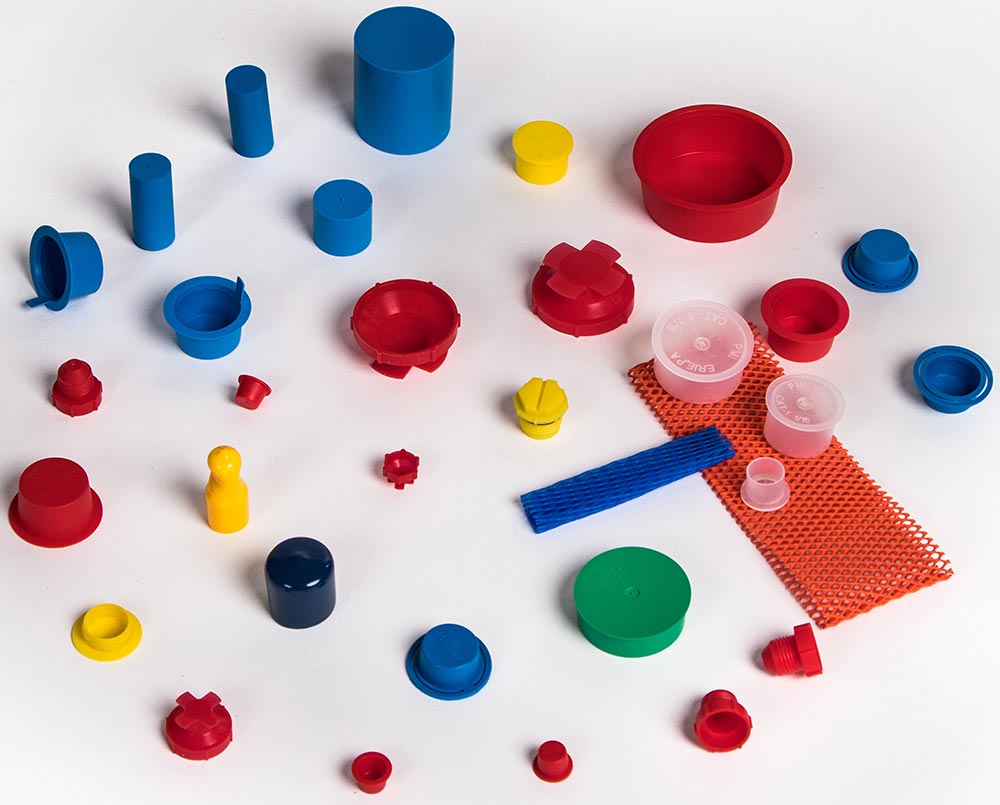
Polymer Molding manufactures plastic pipe protectors designed to protect pipe ports from the elements, helping shield vulnerable openings from environmental exposure during storage and transportation. These protectors help prevent dirt and debris from entering exposed pipe openings before installation or use. Our protective plastic components support businesses that need practical solutions for their industrial products. Contact Polymer Molding to discuss your protective component requirements and find products suited to your application.