

News & Events
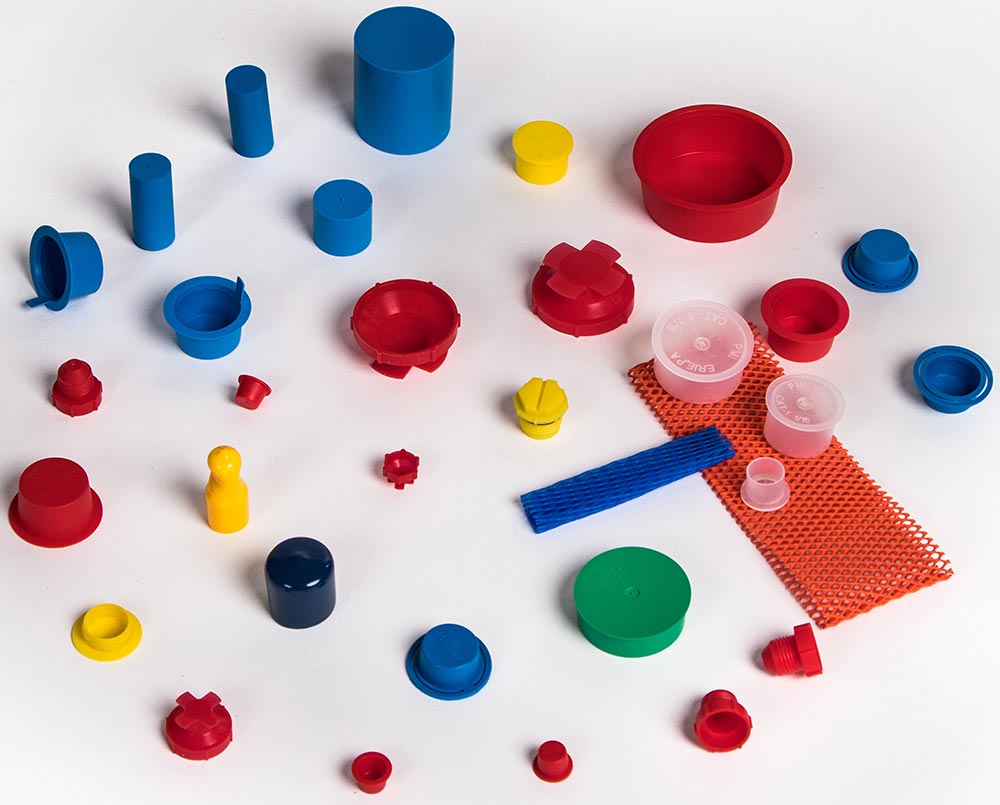

A Beginner’s Guide to Manufacturing Plastic Parts
If you have never worked with a plastic parts manufacturer before, the process can feel like a black box. A beginner's guide to manufacturing plastic parts helps demystify the process, explaining how a design file becomes a finished product on your shelf. Once you understand the basic steps, you can set more realistic timelines and choose a manufacturing partner that delivers the results you want.
What Does Plastic Part Manufacturing Involve?
Plastic part manufacturing turns a digital design into a physical product using heat, pressure, and a custom mold. Injection molding is the most common method for producing plastic parts at scale. A manufacturer heats plastic resin until it melts, then injects it into a steel or aluminum mold shaped like the final part. The material cools inside the mold, hardens, and comes out ready for use or light finishing.
This process works well for everything from small clips and fasteners to complex housings and tubing inserts. It scales efficiently, making it a practical choice for businesses that need anywhere from a few hundred to several hundred thousand parts.
Compared with other manufacturing methods, injection molding offers high repeatability. Once a mold is built and tuned, each part that comes out of it looks nearly identical to the last. This consistency matters for businesses that depend on parts fitting together the same way every time, whether you are assembling a finished product or supplying components to another manufacturer.
The Core Steps in the Manufacturing Process

Every plastic part follows a similar path from concept to finished product. Understanding these steps helps you set expectations and spot potential delays before they become problems. Careful planning at each stage can help ensure a smoother manufacturing experience and reduce the risk of costly mistakes.
Design and Mold Development
The process starts with a part design, usually created in CAD software. A manufacturer reviews the design for manufacturability, checking wall thickness and draft angles along with other details that affect how well the part will mold.
Once the customer approves the design, the team builds a custom mold, often machined from steel or aluminum. This step takes the longest in the entire process because mold quality directly affects the quality of every part produced.
A well-built mold accounts for how the plastic will flow and cool, as well as how easily the finished part will release once formed. Skipping this level of detail during the design review often leads to defects once production starts. A deliberate manufacturer who takes the time to get the small details right can prevent expensive fixes further down the road.
Material Selection
Choosing the right resin is just as important as designing the mold. Each type of plastic reacts differently to heat and repeated stress, so the material needs to match how the finished part will be used. An experienced manufacturer can recommend a resin that holds up outdoors, flexes without cracking, or resists chemical exposure in industrial and medical settings. Making the right choice early helps prevent performance problems and expensive redesigns later.
Production and Quality Checks
Once the mold is ready and the material has been chosen, the manufacturer produces a small test batch. These initial parts are inspected to ensure they meet the original specifications. After the samples receive approval, full production begins, with ongoing quality checks to ensure each part remains consistent with the approved design.
Several factors can affect how smoothly this stage goes:
- Machine calibration ensures consistent pressure, temperature, and cycle time throughout the run.
- Mold maintenance prevents wear that can lead to defects such as flash or sink marks.
- Material consistency avoids variation between resin batches.
- Documentation tracks settings and results so any issue can be traced back to its cause.
Choosing the Right Manufacturing Partner

Not every manufacturer offers the same level of involvement. Some expect you to arrive with a finished mold and a production-ready design. Others help refine the part, build the tooling, and support the project as order volumes change.
Before choosing a partner, find out how early they become involved. A manufacturer that reviews your design before preparing a quote may spot potential problems that a production-only supplier could overlook. That guidance can be especially valuable when you are new to plastic manufacturing or don’t have an in-house engineering team.
A hands-on partner can walk you through difficult decisions and explain how each choice may affect the finished part. Instead of leaving you to figure out the process on your own, they help keep the project moving in the right direction.
Ask How They Manage Communication and Quality Control
Clear communication makes the manufacturing process much easier to manage. Look for a partner who answers questions directly and keeps you informed when timelines change. This kind of transparency becomes even more important when ordering custom parts for the first time.
Ask potential manufacturers about their lead times and minimum order requirements. You should also find out how they handle design changes after building the initial mold. Their responses can reveal how flexible and responsive they will be once production begins.
Material quality deserves the same attention. Ask where the manufacturer sources its resin and whether incoming materials are tested before production. Without proper checks, inconsistencies in the resin can carry over into the finished parts and may not become obvious until a problem reaches the customer.
Partnering With Polymer Molding for Your First Run
Manufacturing your first plastic part becomes easier once you understand how the process works. A beginner's guide to manufacturing plastic parts is about knowing what happens at each stage and which questions to ask before the project moves forward. That knowledge helps you make informed decisions instead of relying on guesswork.
A good manufacturing partner makes the process feel even more manageable. They explain their recommendations, keep you informed as production moves forward, and help address problems before they become costly. When you find a team that communicates clearly and takes responsibility for its work, you gain a dependable partner for future orders.
Whether you’re ordering your first batch of custom parts or planning a long-term production run, taking the time to understand this process pays off. It puts you in a stronger position to evaluate quotes and set realistic expectations with any manufacturer you consider working with.