

News & Events

8 Top Trends in the Injection Molding Industry in 2027
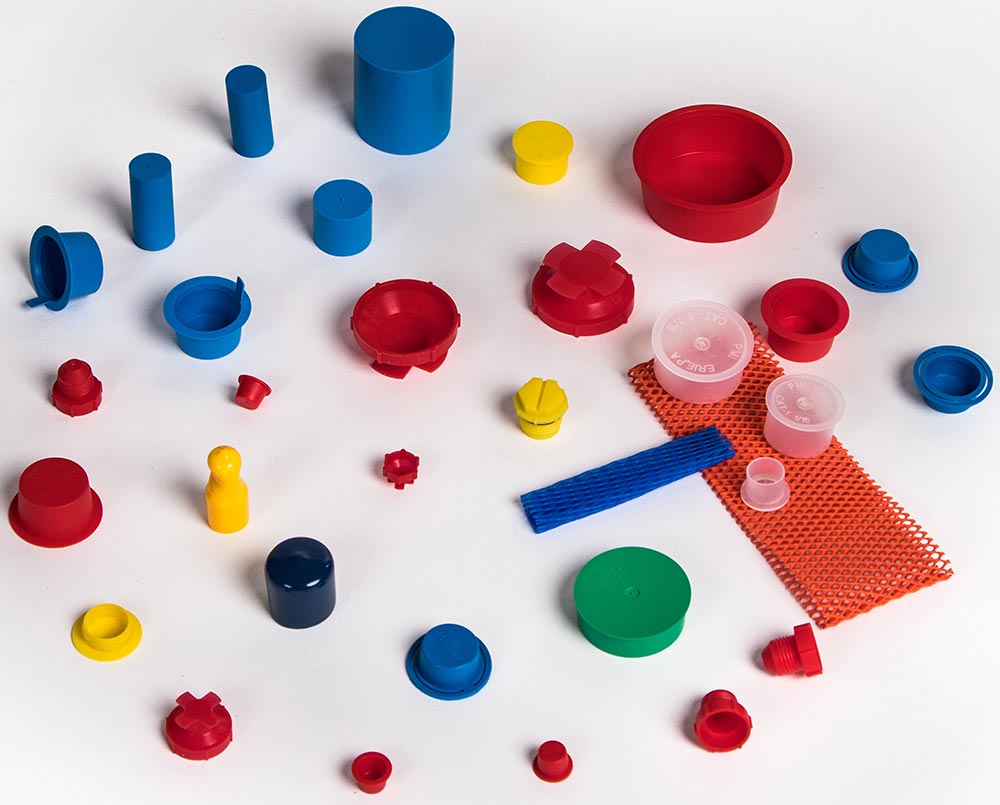
The injection molding industry continues to evolve as manufacturers face new expectations for product quality and production efficiency. Advances in equipment and materials are changing how companies produce plastic components, from everyday protective caps to specialized industrial parts.
Understanding the top trends in the injection molding industry in 2027 can help businesses prepare for upcoming changes and make informed purchasing decisions. As manufacturers adapt to new technology, buyers have more opportunities to find plastic components that meet their operational needs. Polymer Molding supports businesses with dependable plastic protective products designed for industrial applications.
Automation Takes a Larger Role in Production
Automation continues to reshape injection molding facilities as manufacturers look for greater consistency across production runs. Robotic systems can remove finished parts from molds and transfer components to subsequent production stages. These capabilities reduce repetitive manual tasks and allow employees to concentrate on equipment performance.
In 2027, manufacturers will likely expand automation beyond basic part removal. Automated inspection equipment can identify dimensional irregularities before defective components reach customers. This approach helps manufacturers maintain consistent quality across large orders without relying exclusively on manual inspection.
Automation also offers advantages for businesses that require substantial quantities of identical components. More predictable production cycles can support dependable delivery schedules and reduce interruptions. Buyers benefit when suppliers maintain consistent output despite fluctuations in labor availability.
Sustainable Materials Influence Manufacturing Decisions
Environmental considerations continue to influence how manufacturers select materials and develop plastic products. Companies increasingly evaluate resin consumption, manufacturing waste, and opportunities to incorporate recycled materials. These decisions reflect broader efforts to use resources responsibly without compromising product performance.
Recycled polymers may become more attractive for applications where material properties meet established requirements. However, manufacturers must evaluate each resin carefully because recycled content can affect consistency and durability. Material selection should reflect the conditions a finished component will encounter.
Manufacturers are also examining ways to reduce unnecessary material consumption through improved part design. A thoughtfully designed protective component can provide adequate coverage without excess plastic. This approach supports resource efficiency and may reduce material expenses over large production volumes.

Smart Manufacturing Improves Process Visibility
Connected equipment is becoming increasingly valuable throughout modern injection molding operations. Sensors can monitor temperature and pressure during production, giving technicians more information about machine performance. These measurements help operators identify process variations before they affect large quantities of finished parts.
As digital monitoring capabilities advance, manufacturers may gain greater visibility into equipment conditions. Maintenance teams can use operational information to recognize unusual patterns and schedule service before unexpected breakdowns occur. Better maintenance planning helps facilities avoid costly production interruptions.
For industrial buyers, improved process visibility can translate into more consistent component quality. Suppliers with reliable production controls can identify potential issues earlier and maintain tighter manufacturing tolerances. These improvements become particularly valuable when businesses depend on repeat orders of standardized plastic components.
Advanced Mold Design Supports Greater Precision
Mold design remains central to the performance of injection molded products. Manufacturers continue to refine tooling configurations to improve material flow and minimize defects. Better mold designs can also support faster production cycles without sacrificing dimensional accuracy.
Computer aided design software allows engineers to evaluate component geometry before manufacturing begins. Simulation tools can reveal potential problems with material distribution or cooling behavior. Engineers can then adjust designs before investing in physical tooling.
These developments offer practical advantages for custom-molded components. Businesses that require specialized shapes or precise dimensions can benefit from more informed tooling decisions. Effective mold design also helps manufacturers maintain consistent results throughout extended production runs.
Energy Efficiency Becomes a Greater Priority
Energy consumption remains a major consideration for injection molding facilities. Manufacturers are evaluating equipment that uses electricity more efficiently and offers better control over production processes. Modern electric molding machines can provide precise movement with lower energy consumption than certain traditional hydraulic systems.
Equipment selection depends on production requirements and the characteristics of individual components. Manufacturers must consider machine capacity alongside energy performance when evaluating potential investments. A machine that performs efficiently under appropriate operating conditions can help control long-term production expenses.
Energy management also extends beyond molding machines themselves. Facilities can improve efficiency through better temperature control and equipment maintenance. These improvements may help manufacturers manage operating costs as energy prices fluctuate.
Customization Creates New Opportunities for Industrial Buyers
Demand for specialized plastic components continues to influence manufacturing strategies. Businesses frequently need products that accommodate unusual dimensions or particular installation requirements. Standard components may not always provide the fit required for specialized industrial equipment.
Injection molding offers manufacturers the flexibility to produce custom components in substantial quantities. Once manufacturers establish suitable tooling, they can reproduce complex shapes with consistent dimensions. This capability makes the process attractive for businesses that require repeatable components for ongoing operations.
Customization also encourages closer communication between manufacturers and purchasing teams. Buyers can discuss dimensional requirements and anticipated order volumes before committing to production. Early collaboration helps identify practical solutions and reduces the likelihood of costly design revisions.

Material Performance Receives Greater Attention
Manufacturers are placing greater emphasis on how plastic materials perform under specific operating conditions. Temperature exposure and chemical contact can influence component durability. Selecting an appropriate polymer helps manufacturers develop products suited to their intended environments.
Material evaluation becomes particularly relevant for protective components used throughout industrial operations. A plastic cap exposed to outdoor conditions may require different properties than a component used indoors. Manufacturers must account for these differences when recommending materials.
In 2027, buyers may increasingly expect suppliers to explain material characteristics and application limitations. Clear communication about product performance helps purchasing teams compare available options. It also supports more informed decisions when businesses select components for specialized equipment.
Supply Chain Reliability Shapes Purchasing Strategies
Reliable component availability remains a priority for industrial purchasing departments. Production delays can create complications when manufacturers depend on protective parts for shipment preparation. Buyers therefore benefit from suppliers that communicate clearly about product availability and order requirements.
Domestic manufacturing may attract additional interest from companies that want greater visibility into their supply arrangements. Working with established suppliers can simplify communication about specifications and anticipated demand. However, purchasing decisions still depend on individual business requirements.
Manufacturers that maintain dependable customer service can strengthen relationships with distributors and industrial buyers. Responsive communication helps resolve product questions before they interfere with purchasing schedules. These relationships become increasingly valuable as companies seek greater predictability throughout their operations.
Polymer Molding Supports Industrial Component Needs
The top trends in the injection molding industry in 2027 reflect continued progress toward efficient production and dependable component performance. As industrial requirements evolve, businesses need suppliers that understand practical applications and provide suitable protective products.
Polymer Molding manufactures plastic caps and plugs for industrial applications and offers tube end threaded inserts for compatible tubing requirements. These products help businesses address specific component needs without unnecessary complexity. Contact Polymer Molding to discuss available products and find plastic components suited to your operations.